
Dental sedation is a technique used by dentists to help patients relax during dental procedures. It is particularly useful for patients who experience anxiety or fear when visiting the dentist, as well as for those who require extensive dental work. Sedation can range from mild relaxation to deep sedation, depending on the patient’s needs and the complexity of the procedure. The goal of dental sedation is to create a comfortable and stress-free experience for the patient, while also allowing the dentist to work efficiently and effectively.
Dental sedation can be administered in various ways, including through inhalation, oral medication, intravenous (IV) sedation, or general anesthesia. Each method has its own benefits and risks, and the choice of sedation technique depends on factors such as the patient’s medical history, the type of procedure being performed, and the dentist’s preference. As technology and techniques in dental sedation continue to advance, it is important for both patients and dental professionals to stay informed about the latest developments in order to make well-informed decisions about their dental care.
Key Takeaways
- Dental sedation is a common practice used to help patients relax and feel comfortable during dental procedures.
- Current techniques and technologies in dental sedation include oral sedatives, nitrous oxide, and intravenous sedation.
- Advancements in dental sedation techniques include the use of computer-assisted personalized sedation (CAPS) and the development of new sedative drugs.
- Emerging technologies in dental sedation include the use of virtual reality and augmented reality to distract and relax patients during procedures.
- The benefits of new dental sedation techniques include increased patient comfort, while the risks include potential side effects and complications.
- Telemedicine plays a role in dental sedation by allowing for remote consultations and monitoring of patients before and after sedation.
- The future of dental sedation will focus on improving patient experience and safety through personalized sedation plans and the use of advanced monitoring technologies.
Current Techniques and Technologies in Dental Sedation
Currently, the most common techniques for dental sedation include inhalation sedation (nitrous oxide), oral sedation (taking a pill), IV sedation (administered through a vein), and general anesthesia (rendering the patient unconscious). Inhalation sedation, also known as laughing gas, is a popular choice for mild to moderate sedation, as it is easy to administer and has a rapid onset and recovery time. Oral sedation involves taking a prescribed medication before the dental procedure to induce relaxation and reduce anxiety. IV sedation allows for precise control over the level of sedation and is often used for more complex procedures. General anesthesia is typically reserved for extensive dental surgeries or for patients with severe dental phobia.
In terms of technology, advancements in monitoring equipment have improved the safety and effectiveness of dental sedation. For example, pulse oximetry and capnography devices can continuously monitor a patient’s oxygen levels and breathing during sedation, allowing the dental team to respond quickly to any changes in the patient’s condition. Additionally, the use of electronic medical records (EMRs) has streamlined the documentation process and improved communication between dental professionals, leading to better coordination of care for sedated patients.
Advancements in Dental Sedation Techniques
Advancements in dental sedation techniques have focused on improving patient comfort, safety, and efficiency. One notable advancement is the development of computer-assisted personalized sedation (CAPS) systems, which use algorithms to calculate the optimal drug dosage for each patient based on their individual characteristics such as age, weight, medical history, and anxiety level. This personalized approach to sedation helps minimize the risk of over-sedation or under-sedation, leading to better outcomes for patients.
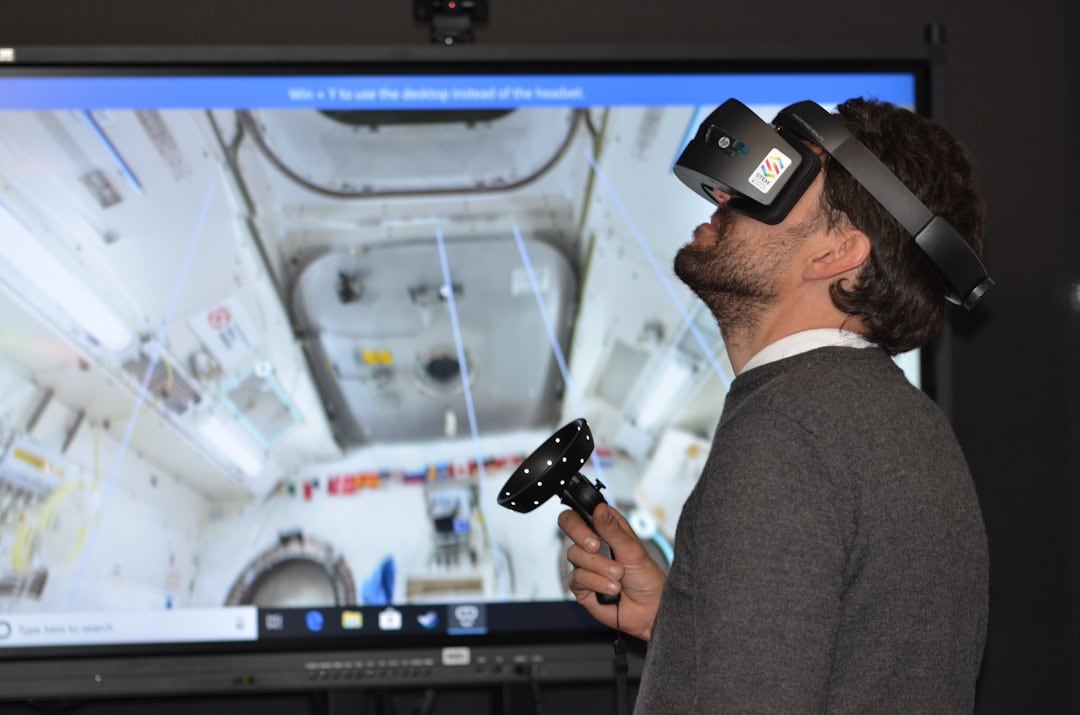
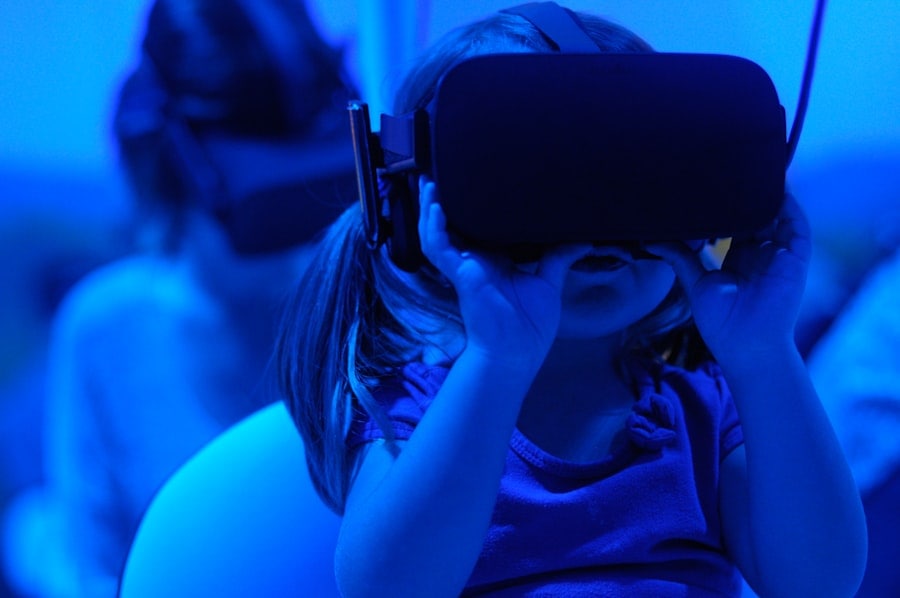
Another significant advancement is the use of non-pharmacological methods to complement traditional sedation techniques. Techniques such as virtual reality (VR) distraction therapy and audiovisual stimulation have been shown to reduce anxiety and pain perception in dental patients, allowing for a more pleasant and relaxed experience during treatment. These non-pharmacological methods can be particularly beneficial for patients who are averse to taking medication or who have medical conditions that preclude the use of certain sedatives.
Furthermore, advancements in sedation delivery systems have made it possible to administer sedatives more precisely and with greater control. For example, advancements in needle-free injection systems have reduced the discomfort associated with traditional injections, making the administration of local anesthetics more tolerable for patients. Additionally, the development of transmucosal drug delivery systems allows for the absorption of sedatives through the oral mucosa, providing an alternative route for drug administration that may be more convenient for some patients.
Emerging Technologies in Dental Sedation
As technology continues to advance, new innovations in dental sedation are emerging to further improve patient care and outcomes. One such emerging technology is the use of biosensors to monitor physiological parameters such as heart rate, blood pressure, and respiratory rate during dental procedures. These biosensors can provide real-time data to the dental team, allowing for early detection of any adverse events and prompt intervention to ensure patient safety.
Another emerging technology in dental sedation is the development of smart drug delivery systems that can automatically adjust drug dosages based on real-time physiological data. These systems use artificial intelligence algorithms to continuously monitor a patient’s vital signs and adjust the administration of sedatives accordingly, providing a more precise and individualized approach to sedation management.
Furthermore, advancements in pharmacogenomics have the potential to revolutionize dental sedation by allowing for personalized drug therapy based on a patient’s genetic profile. By analyzing an individual’s genetic makeup, dentists can identify genetic variations that may affect how a patient responds to certain medications, enabling them to tailor sedative regimens to each patient’s unique genetic characteristics.
Benefits and Risks of New Dental Sedation Techniques
The introduction of new dental sedation techniques and technologies brings both benefits and risks that must be carefully considered. One of the primary benefits of these advancements is the potential for improved patient safety and outcomes. Personalized sedation approaches, non-pharmacological interventions, and advanced monitoring technologies can help minimize the risks associated with traditional sedation techniques and enhance the overall patient experience.
However, there are also potential risks associated with new dental sedation techniques, particularly those involving emerging technologies. For example, the use of smart drug delivery systems and biosensors introduces concerns about data security and privacy, as well as the potential for technical malfunctions that could compromise patient safety. Additionally, while pharmacogenomics holds promise for personalized drug therapy, there are ethical considerations surrounding the use of genetic information in dental care and the potential for unintended consequences.
It is important for dental professionals to weigh these benefits and risks carefully when considering the adoption of new sedation techniques and technologies in their practice. By staying informed about the latest developments in dental sedation and engaging in ongoing education and training, dentists can ensure that they are providing safe and effective care for their patients.
The Role of Telemedicine in Dental Sedation
Telemedicine has emerged as a valuable tool in the field of dental sedation, offering new opportunities for patient assessment, consultation, and follow-up care. Through telemedicine platforms, dentists can conduct virtual consultations with patients to assess their suitability for sedation, discuss treatment options, and address any concerns or questions they may have. This can be particularly beneficial for patients who live in remote areas or have mobility limitations that make it difficult for them to visit a dental office in person.
Telemedicine also allows for remote monitoring of patients before, during, and after dental procedures involving sedation. By using telehealth technologies to track vital signs and communicate with patients in real time, dentists can ensure that patients are responding well to sedatives and intervene promptly if any issues arise. This remote monitoring capability enhances patient safety and provides peace of mind for both patients and dental providers.
Furthermore, telemedicine facilitates collaboration between dental professionals, enabling specialists such as anesthesiologists or pharmacists to provide remote support and expertise in managing complex cases involving dental sedation. This interdisciplinary approach can improve the quality of care for patients undergoing sedation and ensure that they receive comprehensive support from a team of experienced professionals.
The Future of Dental Sedation: Patient Experience and Safety
Looking ahead, the future of dental sedation is likely to be shaped by a continued focus on enhancing patient experience and safety through innovative techniques and technologies. Personalized sedation regimens tailored to each patient’s unique needs will become increasingly common, supported by advancements in pharmacogenomics and smart drug delivery systems that enable precise dosing based on real-time physiological data.
Non-pharmacological interventions such as virtual reality distraction therapy and audiovisual stimulation are also expected to play a larger role in dental sedation, offering patients alternative methods for managing anxiety and discomfort during treatment. These interventions have the potential to transform the patient experience by creating a more relaxing and enjoyable environment in the dental office.
In terms of safety, ongoing advancements in monitoring technologies and telemedicine will continue to improve the ability of dental professionals to track patients’ vital signs remotely and respond quickly to any changes in their condition during sedation. Additionally, the integration of artificial intelligence algorithms into sedation management systems will enable more proactive and individualized approaches to patient care, further enhancing safety and outcomes.
Overall, the future of dental sedation holds great promise for improving patient comfort, safety, and satisfaction through the continued development and adoption of cutting-edge techniques and technologies. By embracing these advancements while remaining vigilant about potential risks, dental professionals can ensure that they are providing the highest standard of care for their patients undergoing sedation.
If you’re interested in learning more about additional care options for your dental health, check out this article on Royal Oak Smiles’ website. They offer a range of services to ensure your dental needs are met.