
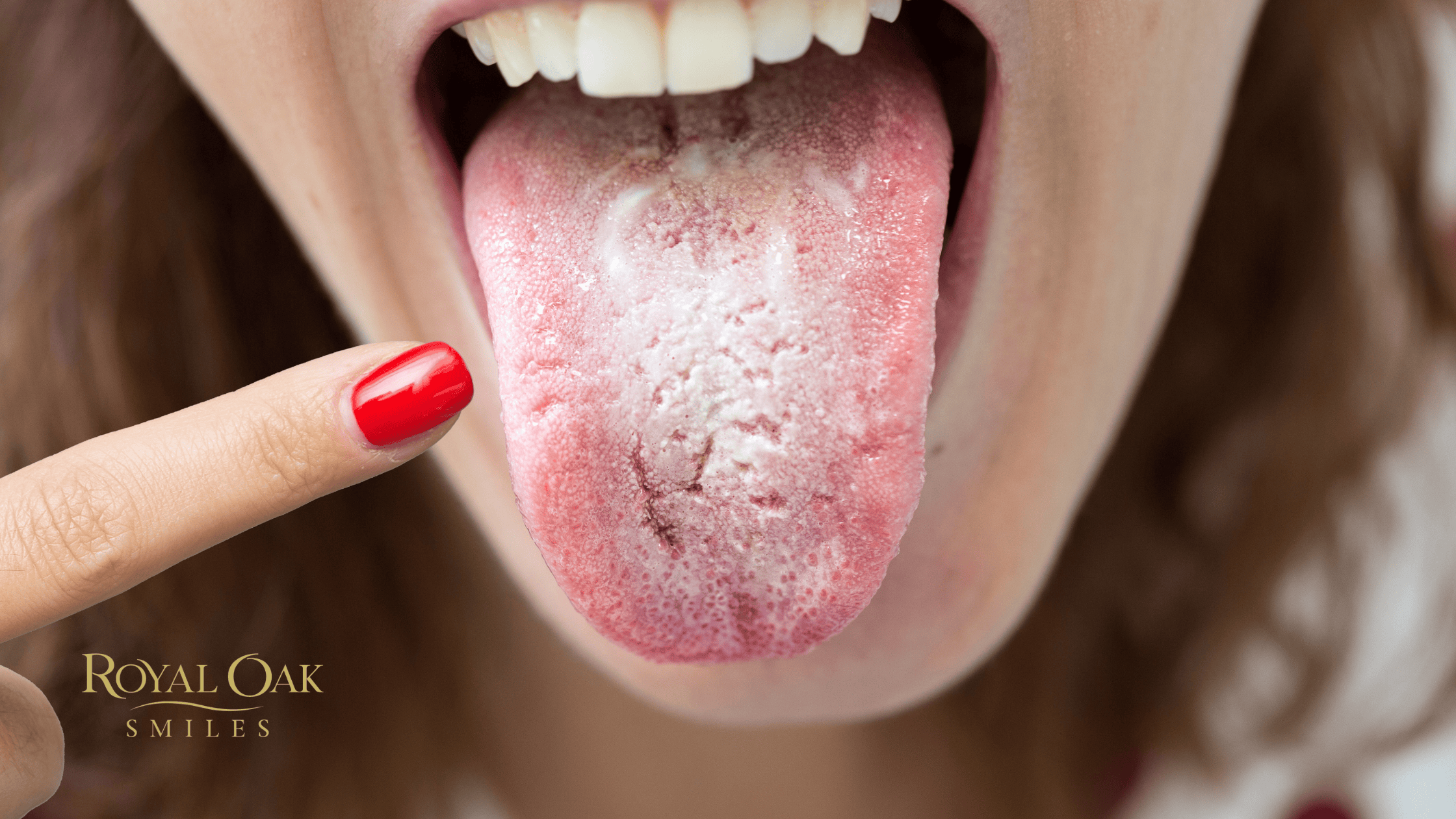
This guide will help you identify the signs of early-stage oral thrush and take appropriate action to alleviate symptoms. You may notice white patches on your tongue or inner cheeks, which can indicate an infection.
Early detection is vital, as untreated oral thrush can lead to more serious complications. By understanding what to look for and how to respond effectively, you can maintain your oral health and prevent further issues.
Let’s investigate the key indicators and steps you can take to combat this condition.
Key Takeaways:
- Look for early symptoms such as white patches on the tongue and inside the mouth, along with soreness or discomfort during eating and swallowing.
- Maintain good oral hygiene to prevent the development of oral thrush, including regular brushing, flossing, and using an antibacterial mouthwash.
- If symptoms persist, consult a healthcare professional for diagnosis and appropriate antifungal treatment options.
Understanding Oral Thrush
Before plunging into oral thrush, it’s necessary to know that oral thrush is a fungal infection that occurs in the mouth, although Candida infections can affect other areas of the body; it is more common in infants, older adults, and individuals with weakened immune systems. Recognizing the signs early on can help you take the necessary steps to manage this condition effectively.
“Early diagnosis of oral thrush alleviates symptoms and prevents further complications, as untreated infections can spread to other areas of the body, particularly in individuals with weakened immune systems.” – Dr. Muhammad Hamdan
What is Oral Thrush?
What you need to understand is that oral thrush is a yeast infection caused by the overgrowth of the Candida fungus, specifically Candida albicans, in your mouth. This condition can lead to discomfort and is often characterized by white patches on the tongue, inner cheeks, and gums.
Common Symptoms to Watch For
Look out for several common symptoms if you suspect oral thrush. These include white lesions in your mouth, soreness, and a cotton-like sensation.
Some may also experience difficulty swallowing or a loss of taste, depending on the severity and extent of the infection.
It is important to monitor your health for signs of oral thrush. The presence of white patches on your tongue or inner cheeks can be alarming, especially if accompanied by soreness or discomfort.
You may notice a cotton-like feeling in your mouth, which can interfere with eating and drinking. In more severe cases, difficulties swallowing or a notable loss of taste can lead to complications, making early intervention necessary.
Early-Stage Symptoms
Even in the early stages of oral thrush, you may notice discomfort that should not be ignored. Symptoms can include a white coating on the tongue, slight soreness in the corners of your mouth, or a persistent cottony feeling.
These early signs can be subtle, making it vital to stay alert for any changes in your oral health.
Identifying Initial Signs
An important first step in managing your health is recognizing the initial signs of oral thrush. You might experience a mild burning sensation in your mouth or a taste alteration.
Additionally, check for any cracks or redness at the corners of your mouth, which can signal the beginning stages of this fungal infection.
Differentiating from Other Conditions
Now, it’s vital to distinguish oral thrush from other oral health issues. While symptoms like a white tongue and mouth soreness can appear in various conditions, you should look for specific characteristics of thrush to guide your self-diagnosis.
Identifying oral thrush can be challenging, as symptoms often overlap with other oral conditions such as oral lichen planus or leukoplakia. The key difference lies in the presence of a creamy white coating that can be scraped off, revealing red, tender tissue beneath.
” Unlike oral lichen planus, which has a lace-like appearance, or leukoplakia, which forms thicker patches that resist removal, oral thrush’s hallmark is its ability to be wiped off, leaving inflamed tissue underneath—a key distinction for diagnosis.” – Dr. Muhammad Hamdan
In contrast, if you notice a thick, persistent coating without soreness, it could be a sign of another issue. Understanding these nuances allows you to take appropriate action early, ensuring effective treatment and prevention of further complications.
Risk Factors
Not everyone is at equal risk for oral thrush. Various factors that can increase your chances include:
- Weakened immune system
- Antibiotic use
- Diabetes
- Pregnancy
- Corticosteroid use
Knowing these risk factors allows you to take preventive measures and be vigilant about your oral health.
Health Conditions That Increase Risk
There’s a range of health conditions that may predispose you to oral thrush. Individuals with a weakened immune system, such as those with HIV/AIDS or undergoing chemotherapy, are particularly vulnerable.
Additionally, those with diabetes must be cautious, as high blood sugar can promote the growth of Candida in the mouth.
Lifestyle Factors
An active lifestyle can help reduce your risk of oral thrush, but certain habits can increase it. Factors to consider include:
- Poor oral hygiene
- Smoking
- Use of dentures
- A diet high in sugar
The impact of your lifestyle choices on oral thrush should not be underestimated.
For instance, maintaining good oral hygiene is vital in preventing infections. Brushing and flossing regularly and limiting sugar intake control yeast growth.
Additionally, quitting smoking and ensuring that your dentures fit properly are important preventive measures. Combining healthy habits can significantly reduce your risk of developing oral thrush.
How to Spot Oral Thrush Early
To effectively identify oral thrush in its early stages, look for common symptoms such as white patches on your tongue, inner cheeks, or throat, and experience any discomfort during swallowing. You might also notice a cotton-like sensation in your mouth, and, in some cases, slight bleeding can occur when attempting to scrape the white areas.
Early detection is vital to prevent the spread and escalation of the condition.
Self-Examination Techniques
Spot signs of oral thrush by routinely inspecting your mouth and throat. To check for any odd white spots or lesions, use a mirror and enough light.
Gently rub your tongue against the roof of your mouth to feel for any unusual textures, and pay attention to any changes in taste or persistent discomfort that may arise.
When to Seek Professional Help
To ensure proper diagnosis and treatment, consult a healthcare professional if you experience persistent symptoms or if the white patches spread or worsen despite self-care measures.
Self-examination can help you stay alert to signs of oral thrush, but if you observe persistent lesions, experience intense pain, or have trouble swallowing, it’s important to seek professional help. Oral thrush can sometimes indicate an underlying condition, especially if it occurs frequently, so prompt medical attention can lead to effective treatments and address any potential health issues.
Home Remedies and Treatment Options
Now that you are aware of the signs and symptoms of oral thrush, it is necessary to explore both home remedies and treatment options that can effectively alleviate your discomfort and combat the infection. From natural solutions to over-the-counter treatments, a combination of approaches may help restore balance to your oral health and expedite the healing process.
Effective Home Treatments
Some people find relief using traditional remedies such as:
- Coconut oil pulling
- Rinsing with diluted apple cider vinegar
Additionally, incorporating probiotic-rich foods like yogurt and fermented products may help restore the balance of healthy bacteria.
However, these remedies should complement—not replace—professional medical treatments when needed.
When to Consider Medication
With persistent symptoms of oral thrush that do not improve with home remedies, it may be time to consider medication. Antifungal medications are typically prescription-based, so if symptoms persist, consult a healthcare provider for appropriate treatment.
Another important factor to assess is the severity of your oral thrush symptoms. If you experience painful lesions, difficulty swallowing, or discomfort that interferes with daily activities, seeking medical advice is key.
Additionally, if you are immunocompromised or have underlying health conditions, prompt intervention is necessary to prevent complications. A healthcare provider can offer tailored treatment options, which may include stronger antifungal medications that provide effective relief.
Prevention Tips
All it takes is a few simple steps to prevent oral thrush from developing. Make it a habit to:
- Maintain good oral hygiene.
- Limit your intake of sugary foods.
- Stay hydrated by drinking plenty of water.
- Consider using a probiotic supplement.
Assume that by incorporating these tips into your daily routine, you can effectively minimize your risk of oral thrush.
Hygiene Practices
Even small changes in your hygiene routine can significantly decrease the likelihood of developing oral thrush. Make sure to brush and floss your teeth regularly, and don’t forget to clean your tongue.
Regular dental check-ups are also important to ensure that any potential issues are caught early.
“In addition to regular brushing and flossing, using a tongue scraper and rinsing with an antimicrobial mouthwash can provide added protection against fungal infections, making your oral hygiene routine more effective.” – Dr. Muhammad Hamdan
Dietary Recommendations
If you want to prevent oral thrush, pay close attention to your diet. Reducing your intake of refined sugars and yeast-containing foods is beneficial.
Focus on consuming a balanced diet rich in vegetables, fruits, and lean proteins to support your immune system.
Practices like avoiding processed carbohydrates and limiting alcohol can significantly help keep your oral flora balanced. Incorporate foods that are high in probiotics, such as yogurt or fermented products, as they help to maintain a healthy gut and oral microbiome.
Additionally, staying hydrated is imperative for overall health and can further mitigate the risk of oral thrush.
Final Words
Summing up, recognizing the early signs of oral thrush is vital for effective treatment and prevention. You should be on the lookout for symptoms like white patches in your mouth, discomfort, or changes in taste.
If you suspect you have oral thrush, consulting a healthcare professional will help in confirming the diagnosis and providing the right treatment options, such as antifungal medications. Maintaining good oral hygiene and a balanced diet can also help prevent future occurrences.
By being proactive, you can manage your oral health effectively.
If you notice symptoms of oral thrush or have concerns about your oral health, don’t wait to seek professional care. Early diagnosis and treatment can make a big difference.
Contact Royal Oak Smiles today to schedule your appointment and get personalized care from our friendly, experienced dental team.
Reviewed by: Dr. Muhammad Hamdan