
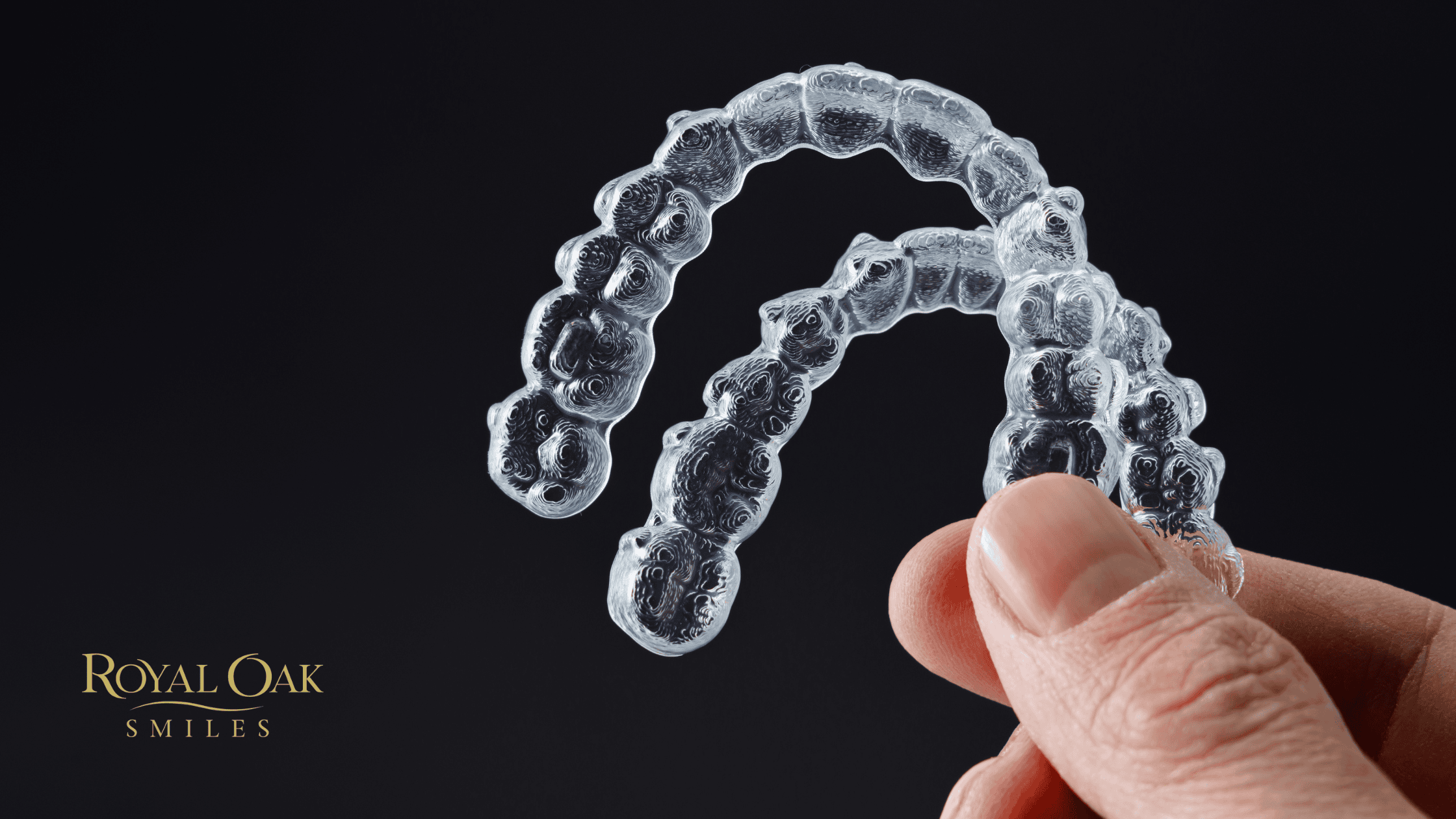
Retainers help keep your smile beautiful long-term, which is what orthodontics is all about. After spending time and resources on braces or aligners, you want to ensure your teeth remain in their new, correct position.
Without the consistent use of retainers, you risk experiencing relapse, where teeth gradually shift back to their original misalignment. By understanding the significant role retainers play in your orthodontic journey, you can safeguard your investment and enjoy a lasting, confident smile.
Key Takeaways:
- Retainers are necessary in maintaining the alignment of teeth after orthodontic treatment, helping to prevent relapse and ensuring long-lasting results.
- The type and duration of retainer use can vary between individuals, and regular check-ups with an orthodontist are important for monitoring stability.
- Choosing the right retainer, whether it be fixed or removable, can significantly influence the long-term success of orthodontic corrections.
Understanding Orthodontic Treatment
While orthodontic treatment is often associated with achieving a beautiful smile, it also plays a vital role in improving oral health. Orthodontics can improve the functionality of your bite and lower your chance of developing dental problems in the future by correcting misalignments.
Overview of Orthodontic Procedures
Around the world, orthodontic procedures typically begin with a comprehensive assessment of your dental structure. The process includes imaging and measurements to create a personalized treatment plan, often involving braces or clear aligners to gradually shift your teeth into the desired position.
Goals of Orthodontic Treatment
Along with aesthetic improvements, the primary goals of orthodontic treatment include correcting malocclusion, enhancing bite function, and facilitating better oral hygiene. Achieving these goals helps to prevent wear on your teeth and jaw over time.
Even more importantly, successful orthodontic treatment can lead to significant benefits such as improved self-esteem and increased confidence in your smile.
“Orthodontics is not just about straight teeth; it’s about creating a healthier environment for your oral structures. By aligning your bite, you reduce unnecessary strain on your jaw and minimize the risk of future complications like TMJ disorders.” – Dr. Muhammad Hamdan
You can experience less wear on your teeth, which reduces the likelihood of future dental complications.
Additionally, addressing your bite alignment can alleviate jaw pain and enhance your overall oral health, ensuring that your investment in orthodontics pays off long-term.
Types of Retainers
Some of the most common types of retainers include
| Type | Description |
| Fixed Retainers | A permanent wire is bonded to your teeth. |
| Removable Retainers | Plastic or acrylic devices that can be taken out. |
| Hawley Retainers | A type of removable retainer with an acrylic base. |
| Essix Retainers | Clear, moldable retainers made from plastic. |
| Bonded Retainers | A type of fixed retainer where a wire is permanently attached to the back of the teeth, commonly used to provide continuous support, especially for the front teeth. |
Any of these types can be effective in maintaining your orthodontic results, depending on your needs and your orthodontist’s recommendations.
Fixed Retainers
Fixed retainers are often recommended for patients at higher risk of relapse, providing continuous support by bonding a thin wire to the back of the teeth, typically the lower front teeth. These consist of a thin wire that is bonded to the back of your teeth, typically the lower front teeth.
They provide continuous support, ensuring that your teeth remain aligned over time without the need for daily removal. These retainers are often utilized for those at a higher risk of shifting due to previous alignment issues.
Removable Retainers
Retainers are another vital tool in your orthodontic journey, and removable retainers are effective in maintaining proper alignment while offering the convenience of removal. These typically come in a clear plastic form that you can take out when eating or brushing.
With removable retainers, you have greater control over your oral hygiene, and you can wear them as prescribed by your orthodontist.
Even though removable retainers offer flexibility, it is vital to wear them as directed to avoid complications such as tooth shifting or relapse. It’s also important to keep them clean to prevent bacterial growth.
Replacing lost or damaged retainers is crucial, as any gaps could cause your teeth to shift back to their original position. Be vigilant, as neglecting your removable retainers can lead to unwanted dental expenses in the future.
“Think of your retainer as a preventive tool—it’s far easier to maintain your alignment than to undergo extensive corrective procedures again. Proper retainer care isn’t just about keeping your smile intact; it’s a smart investment in your long-term oral health.” – Dr. Muhammad Hamdan
Importance of Retainers
For anyone who has undergone orthodontic treatment, retainers play a crucial role in ensuring that your hard-earned results remain intact. These devices help to stabilize your teeth after braces or aligners, allowing your new smile to settle into its desired position. Neglecting to wear your retainer as prescribed can lead to shifting teeth, undoing years of orthodontic work.
Preventing Relapse
Relapse can occur when teeth gradually shift back to their pre-treatment positions after the removal of braces or aligners. Wearing your retainer regularly can significantly reduce the risk of this happening.
Consistent use allows the surrounding tissues and bone to adapt to the new alignment, ensuring that your teeth remain in place for the long term.
Maintaining Aesthetic Results
Preventing any movement of your teeth after orthodontic treatment is key to maintaining the aesthetic results you desire. The confidence boost that comes from a beautiful smile can diminish if your teeth begin to shift.
Wearing your retainer helps preserve your alignment and keeps your smile looking its best, enhancing your overall appearance and self-esteem.
The stability of your orthodontic results hinges on your commitment to wearing your retainer. Without this consistent effort, you face the risk of undesirable shifts that can compromise the aesthetic improvements you’ve achieved.
By prioritizing retainer usage, you can maintain the harmony of your smile, enjoy renewed self-confidence, and prevent any future orthodontic challenges.
Retainer Use and Care
All orthodontic patients must prioritize retainer use and care to ensure their new smile lasts. Proper usage will guide your teeth into a more stable position, while effective care will prolong the life of your retainer.
It is vital to follow your orthodontist’s specific instructions regarding how many hours per day you should wear your retainer and how to keep it clean.
Guidelines for Effective Use
Between appointments, wear your retainer as instructed by your orthodontist. Consistency is key to achieving lasting results. You should also handle your retainer with care, avoiding any damage from extreme temperatures or improper storage.
Regularly check your retainer for signs of wear or damage, and report any issues to your orthodontist.
Common Issues and Solutions
Before you panic, it’s important to understand that issues with retainers can often be resolved easily. Common problems include discomfort when wearing your retainer, bad odors, or visible build-up.
You can address discomfort by adjusting the fit, and regular cleaning with mild soap and water can minimize odors and buildup. If you encounter a significant issue, consult your orthodontist to explore further solutions.
With proper awareness and proactive measures, you can tackle retainer issues effectively. If you experience any persistent discomfort or notice a foul smell, consider soaking your retainer in a mild cleanser to prevent the buildup of bacteria.
Staying on top of cleaning routines keeps your retainer fresh and enhances your overall oral hygiene. Should you find yourself unable to wear your retainer consistently, slacking in wear can lead to your teeth shifting.
Consult your orthodontist for guidance to mitigate any potential problems.
Factors Influencing Long-Term Stability
Your long-term orthodontic stability can be affected by multiple factors. Understanding these elements is vital for maintaining your results over time. Consider the following key points:
- Patient compliance
- Biological factors
- Retention methods
This knowledge empowers you to take proactive steps toward achieving lasting outcomes.
Patient Compliance
By diligently following your orthodontist’s recommendations, including wearing your retainers as prescribed, you significantly enhance your long-term stability. Your adherence to these guidelines plays a vital role in ensuring that your teeth remain in their ideal positions.
Individual Biological Factors
The individual biological factors that affect your orthodontic results can vary from person to person. These may include:
- Genetics
- Bone density
- Gum health
After all, unique physiological traits can influence how effectively your teeth retain their position.
But understanding the individual biological factors that play a role in your orthodontic outcomes can be enlightening. For instance, your genetic predisposition may determine how your jaw and teeth respond to orthodontic treatment.
Additionally, bone density is significant, as healthy bones contribute to stable tooth positioning, while poor gum health can lead to complications in retaining your alignment. After weighing these aspects, you can take necessary precautions to mitigate potential issues.
“Your body’s unique biology plays a crucial role in orthodontic outcomes. Optimal gum health and strong bone density are key to ensuring your teeth remain in alignment after treatment, which is why regular dental check-ups are indispensable during and after orthodontics.” – Dr. Muhammad Hamdan
Research and Evidence
Unlike many areas of dentistry, the impact of retainers on long-term orthodontic stability has been extensively studied. Numerous clinical trials and longitudinal studies have shown that consistent retainer use significantly reduces the likelihood of teeth shifting after braces are removed.
The existing evidence strongly supports the notion that dedicated retainer protocols can enhance the success of your orthodontic treatment, emphasizing the importance of retention in maintaining a beautiful smile.
Studies on Retainers and Stability
Along with revealing the necessity of retainers, recent studies have highlighted varying effects based on the type and duration of retainer wear. Findings suggest that fixed retainers are particularly effective in preventing relapse in the front lower teeth, while removable retainers can provide broader arch stability when used consistently.
However, individual compliance plays a key role, underscoring the necessity for personalized retention plans tailored to your specific needs.
Future Directions in Orthodontic Retention
At the forefront of orthodontic retention, researchers are exploring innovative techniques to improve the effectiveness and comfort of retainers. Researchers are investigating advancements in materials, such as more stain-resistant clear plastics for removable retainers and flexible, biocompatible wires for fixed retainers, aimed at improving durability and comfort.
Additionally, digital technologies are paving the way for personalized retainer plans based on your unique dental morphology, ensuring enhanced retention outcomes. This approach aims to minimize the time you need to wear retainers while maintaining optimal tooth stability.
Orthodontic future directions in retention emphasize the importance of tailoring retention strategies to individual needs while leveraging cutting-edge technology. As research progresses, you may find that wearable sensors could monitor adherence to retainer schedules, offering real-time feedback.
Furthermore, the exploration of biomechanical principles will refine how retainers work in harmony with your dental anatomy, ensuring long-lasting results without the need for constant adjustments. These advancements demonstrate our dedication to enhancing your orthodontic experience and guaranteeing the longevity of your hard-earned smile.
Final Words
Presently, understanding the role of retainers in maintaining the results of your orthodontic treatment is imperative for long-term oral health. By ensuring that your teeth stay in their new positions, retainers help prevent relapse and preserve your smile.
It is important for you to follow your orthodontist’s guidance on wear times and types of retainers to achieve optimal stability. Your commitment to wearing retainers diligently will ultimately contribute to the success of your orthodontic journey, allowing you to enjoy your new smile for years to come.
At Royal Oak Smiles, we’re committed to helping you maintain the results of your orthodontic treatment with customized retainer solutions and ongoing care. If you have questions about your retainer, need a replacement, or want to schedule a consultation, contact us today! Our friendly team is here to support your long-term oral health and smile confidence.
Reviewed by: Dr. Muhammad Hamdan