
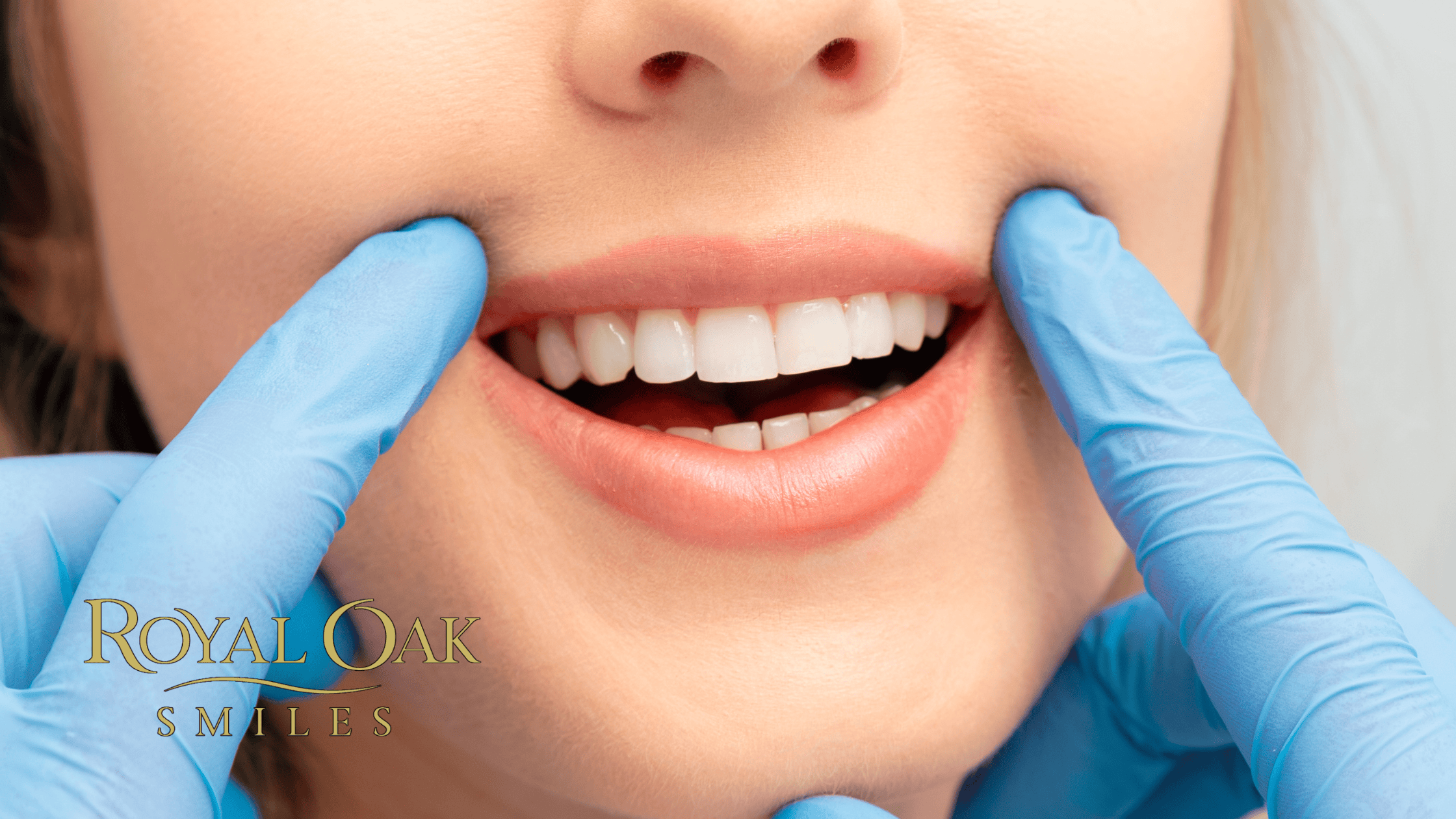
Many people seek brighter smiles through professional teeth whitening treatments, but do you understand the science driving these effective procedures? By utilizing powerful whitening agents like hydrogen peroxide, these treatments can significantly lighten stains on your teeth.
While the results can be impressive, it’s important to be aware of potential side effects such as tooth sensitivity and gum irritation. In this article, you will explore the various methods available, their benefits, and how to maintain your new smile safely and effectively.
Key Takeaways:
- Professional teeth whitening treatments often utilize stronger concentrations of bleaching agents, such as hydrogen peroxide, leading to more effective results compared to over-the-counter products.
- The application process in a dental office is typically performed under controlled conditions, allowing for safer and more precise treatment tailored to individual needs.
- Many professional whitening options include protective measures for the gums and soft tissues, reducing the risk of sensitivity and irritation during the whitening process.
Understanding Tooth Discoloration
The nature of tooth discoloration lies in various factors that can contribute to the appearance of your smile. Discoloration can range from subtle changes in hue to pronounced darkening, often affecting your confidence.
Learning about these factors can help you understand what might be impacting your teeth, enabling you to make informed choices about whitening treatments.
Causes of Tooth Staining
Tooth stains arise from numerous sources that affect your enamel and dentin. The most common causes include:
- Food and beverages — such as coffee, tea, and red wine
- Tobacco use — cigarettes and chewing tobacco
- Medications — certain antibiotics can lead to discoloration
- Poor dental hygiene — plaque build-up can darken teeth
- Genetic factors — hereditary conditions affecting enamel
Types of Tooth Discoloration
Across the spectrum of tooth discoloration, two primary types stand out: intrinsic and extrinsic. Intrinsic stains occur within the tooth structure and can result from aging, trauma, excessive fluoride, or certain medications like tetracycline during tooth development.
To better understand these categories, it’s helpful to consider their characteristics:
| Intrinsic Discoloration | Results from internal changes in teeth |
| Extrinsic Discoloration | Caused by external factors like food and drink |
| Aging | Can lead to both intrinsic and extrinsic stains |
| Genetics | Some people are predisposed to discoloration |
| Tobacco use | Common cause of extrinsic stains |
Discoloration impacts not only the aesthetic appeal of your smile, but it can also reflect underlying health issues. Addressing these concerns swiftly can lead to brighter and healthier teeth.
You should also consider seeking professional treatment to maintain your dental health. Understanding the types of discoloration empowers you to regain your confidence and explore suitable white teeth options along your journey.
In brief, being aware of both extrinsic and intrinsic tooth discoloration is vital in achieving a brighter smile. By recognizing the specific causes and types, you can make informed decisions about effective whitening solutions.
Take advantage of professional guidance to address both types of discoloration, ensuring you enjoy a dazzling and radiant smile for years to come.
| Extrinsic Factors | The impact of external substances |
| Intrinsic Factors | Internal changes and health issues |
| Staining Agents | Common foods and drinks contributing to discoloration |
| Prevention | Tips for maintaining bright teeth |
| Professional Advice | Seeking dental care for discoloration |
Professional Teeth Whitening Methods
If you’re considering enhancing your smile, professional teeth whitening methods offer effective and tailored solutions. These treatments, guided by dental professionals, ensure safety and maximum results and address various causes of tooth discoloration.
In-Office Bleaching
To achieve immediate results, in-office bleaching typically uses powerful whitening agents. It may include a light source to accelerate the process, though the effectiveness of light activation remains debated among dental professionals.
It is supervised by a dental professional to minimize sensitivity and ensure safety throughout the procedure.
At-Home Whitening Kits
In-office treatments are not the only option; at-home whitening kits provide a convenient alternative that allows you to achieve a brighter smile at your own pace. These kits often include custom trays and whitening gel, enabling you to apply the treatment comfortably.
Teeth whitening kits are accessible and can be used in your own home, offering versatility for busy lifestyles. However, you should be cautious with overuse, as it can lead to tooth sensitivity or gum irritation.
Ensure you follow the instructions, and consult your dentist if you encounter any adverse effects. With the right approach, these kits can significantly improve your smile while saving you time and money compared to in-office visits.
The Chemistry of Teeth Whitening
Many people are unaware of the complex chemistry behind teeth whitening treatments. These procedures rely on the interaction between various chemical agents and your teeth’s enamel.
Understanding this science helps you realize how these treatments can effectively brighten your smile while ensuring safety and efficacy.
Active Ingredients in Whitening Agents
After exploring the treatments available, you’ll find that the primary active ingredients often include hydrogen peroxide and carbamide peroxide. Hydrogen peroxide and carbamide peroxide are the main active ingredients.
Carbamide peroxide breaks down into hydrogen peroxide and urea, working similarly but more slowly. These compounds are responsible for breaking down stains and discoloration embedded in your teeth, delivering results that can significantly enhance your smile.
Mechanism of Action
Agents such as hydrogen peroxide work by releasing free radicals during the whitening process. These free radicals penetrate your enamel and react with the pigment molecules responsible for stains on your teeth.
This reaction breaks down the pigment into smaller, less visible particles, resulting in a whiter appearance. Continuous exposure to these agents can further enhance whitening effects.
A well-formulated whitening product utilizes the right concentration of these agents to ensure safe and effective treatment. Excessive use of high-concentration agents can lead to potential side effects, such as sensitivity or damage to your enamel.
Therefore, professional treatments often provide a controlled environment, minimizing risks while maximizing results for your smile. With the right application of these scientific principles, achieving a brighter smile has never been more approachable.
Safety and Efficacy
All professional teeth whitening treatments are designed to be safe and effective when performed by trained professionals. They utilize controlled concentrations of bleaching agents, ensuring minimal risk while achieving significant results.
Dentists assess your oral health prior to treatment, allowing you to achieve a brighter smile while keeping your safety in mind. Comprehensive aftercare and guidance further enhance the overall efficacy of the process, giving you the confidence to enjoy your new smile.
Potential Risks and Side Effects
One common concern surrounding teeth whitening is the potential for short-term side effects, including increased tooth sensitivity and gum irritation. These effects are often temporary; however, it’s vital you discuss any pre-existing conditions with your dentist to minimize risks.
Following post-treatment guidelines also aids in reducing any discomfort during the whitening process, ensuring a safer experience overall.
Long-Term Results
Results from professional teeth whitening treatments can last varying lengths of time, typically several months to a few years, depending on your dental hygiene and lifestyle factors.
But to achieve the longest-lasting effects, it is important to maintain good oral hygiene and avoid stain-causing foods and drinks. Regular dental check-ups and touch-up treatments can also enhance your whitening results.
While whitening may initially provide a radiant smile, your commitment to maintaining it is what truly matters. Avoiding habits such as smoking and excessive consumption of staining beverages like coffee and red wine will support your long-term outcomes.
By prioritizing your oral health, you can enjoy brighter teeth for an extended period.
Comparison with Over-the-Counter Products
Not all teeth whitening treatments are created equal. Professional whitening treatments typically offer more potent formulations and customized applications than over-the-counter products.
Below is a comparison of key factors to consider. Professional whitening products may contain hydrogen peroxide concentrations of up to 40%, whereas OTC products are limited to much lower concentrations for safety.
| Factor | Professional Treatments |
| Effectiveness | Stronger agents, tailored to your needs |
| Application | Administered by dental professionals |
| Duration of Results | Longer-lasting effects |
| Safety | Monitored by professionals |
| Cost | Higher upfront, but potential for better value |
Effectiveness
Over-the-counter products typically contain lower concentrations of bleaching agents, which can lead to less noticeable results. These products require more time and repeated applications to achieve a brightness that professional treatments provide in a single session.
Cost Analysis
On average, professional whitening treatments cost more than over-the-counter options. However, the long-term benefits and results should be considered.
Investing in a professional treatment can save you from continuously repurchasing OTC products that may not deliver the desired outcome.
Plus, while the initial cost of professional treatments is typically higher, they often offer better long-term results and can be more effective at targeting deep stains. Over-the-counter products may seem economical but often lead to spending more over time due to their frequent repurchase and possible need for additional dental visits if results are unsatisfactory.
Ultimately, investing in a professional service can provide you with a brighter, longer-lasting smile, making it a worthwhile consideration for your dental care.
Maintenance of Whitening Results
Once again, maintaining your newly whitened teeth requires consistent effort beyond the initial treatment. To prolong your results, it’s important to practice good oral hygiene, including regular brushing and flossing.
Additionally, consider scheduling follow-up treatments as recommended by your dental professional to keep your smile bright. Avoid habits that tarnish your results, and stay informed about your dental health to ensure your smile remains radiant.
Best Practices for Aftercare
With the right aftercare, you can effectively extend the life of your whitening treatment. Stick to a regular oral hygiene routine, including brushing at least twice a day and using fluoride toothpaste.
Rinsing with a non-abrasive mouthwash can also help maintain your whitening results. Ensure you stay hydrated by drinking plenty of water.
Foods to Avoid
By making smarter food choices, you can better maintain your white smile. Certain foods and beverages can contribute to staining, compromising your whitening results.
It’s best to avoid items such as coffee, tea, red wine, and dark-colored sauces.
In addition, some foods can be particularly damaging to your whitening efforts. For example, berries, while healthy, are known for their deep pigmentation that can stain teeth.
Acidic foods like citrus fruits can wear down enamel, making it easier for stains to adhere. Finally, highly pigmented sauces such as soy sauce and tomato sauce can create unwanted discoloration.
To keep your smile bright, consider minimizing your intake of these foods and opting for lighter alternatives when possible.
Summing up
So, when considering professional teeth whitening treatments, it’s crucial to understand the science behind them. These procedures utilize advanced bleaching agents, such as hydrogen peroxide, which penetrate your enamel for effective stain removal.
The controlled application, often overseen by dental professionals, ensures both safety and optimal results tailored to your unique dental health. Understanding these principles empowers you to make informed choices for a brighter, healthier smile.
Experience the confidence that comes with a professionally whitened smile. At Royal Oak Smiles, we use safe, science-backed treatments tailored to your unique dental needs.
Book your consultation today and take the first step toward a brighter, healthier smile.