
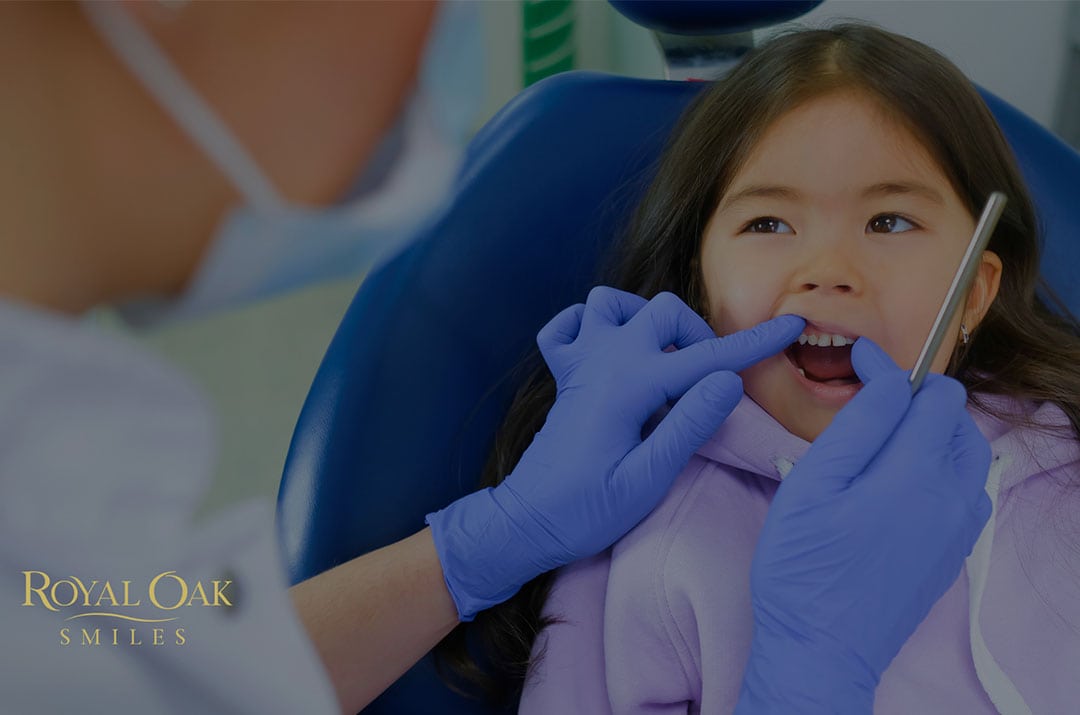
Over time, unnoticed dental issues can escalate, leading to serious oral health problems. By prioritizing early detection through regular check-ups, cleanings, and screenings, you can prevent small dental concerns from turning into major complications. Your proactive approach to dental health can save you from painful procedures and costly treatments down the road. Stay ahead of any potential issues by being proactive and diligent in maintaining your oral health regimen. Taking care of your teeth now will benefit you in the long run, ensuring a healthy and happy smile.
The Consequences of Late Detection
Increased Risk of Tooth Loss
The longer you wait to address dental issues, the greater the risk of tooth loss. Untreated dental problems can result in decay, infection, and ultimately tooth loss. This can significantly impact your ability to chew properly, affecting your overall health and well-being.
Higher Costs for Treatment
For every dental issue that goes undetected, the costs of treatment tend to increase. Progression often leads to the escalation of problems, necessitating more extensive procedures for correction. Early detection and intervention can prevent higher dental care expenses.
Increased awareness and regular dental check-ups can help you catch any potential issues early on and address them before they escalate. By staying proactive with your dental health, you can avoid the additional costs and discomfort associated with late detection of dental problems.
The Benefits of Early Detection
Prevention of Oral Health Issues
With early detection, you can prevent minor oral health issues from progressing into more significant problems. Regular dental check-ups can help your dentist catch issues like cavities, gum disease, or oral cancer in their early stages, allowing for easier and less invasive treatment.
Early Intervention and Treatment
The early detection of dental problems means that you can receive prompt intervention and treatment. Addressing issues such as tooth decay or misaligned teeth early on can help to prevent more extensive and costly procedures in the future. By taking action at the first signs of a problem, you can maintain a healthy smile for years to come.
Plus, early treatment can help alleviate any discomfort or pain you may be experiencing. Ignoring dental issues can lead to more severe pain and complications down the line, so it’s vital to address any concerns as soon as they arise.
Reduced Risk of Systemic Diseases
Treatment of oral health issues in their early stages can also reduce the risk of developing systemic diseases. Research has shown a connection between oral health and conditions like heart disease, diabetes, and respiratory infections. By maintaining excellent oral hygiene and catching problems early, you can help protect your overall health.
Studies have linked issues like gum disease to an increased risk of heart disease and other serious health conditions. By prioritizing your dental health and seeking early detection and treatment, you can lower your risk of developing these systemic diseases.
Common Dental Health Issues
Tooth Decay and Cavities
After all, your dental health is crucial for your overall well-being. Tooth decay and cavities are two of the most common dental issues that can arise is tooth decay and cavities. Tooth decay occurs when plaque, a sticky film of bacteria, builds up on your teeth and produces acid that erodes the enamel. If left untreated, this can lead to the formation of cavities, which are permanent damaged areas on your teeth’s hard surface.
Gum Disease and Gingivitis
On the other hand, gum disease and gingivitis are two other common dental problems. Gum disease is an infection of the gum tissues that support your teeth, and gingivitis is its earliest stage. Poor oral hygiene typically triggers it, allowing plaque to accumulate along the gumline. Symptoms include red, swelling, and bleeding gums. If not addressed promptly, gum disease can progress to a more severe form known as periodontitis, which can lead to tooth loss.
Another important aspect to note about gum disease and gingivitis is that they are often painless in the beginning stages, making it easy to overlook. Regular dental check-ups are crucial to detect and treat these issues early on before they escalate into more serious problems.
Oral Cancer and Lesions
Oral cancer and lesions are among the more serious dental health concerns. Oral cancer can affect the lips, tongue, cheeks, mouth floor, hard and soft palate, sinuses, and throat. It often starts as a small, unnoticed white or red spot or sore in the mouth and can progress rapidly if not diagnosed and treated early. Lesions in the mouth can also be preventable, highlighting the importance of early detection in dental health.
Regular dental screenings are the key to preventing oral cancer and lesions from progressing. Dentists, trained to identify the early signs of these conditions, can either take preventive measures or refer you to a specialist for further evaluation and treatment. Taking proactive steps towards your dental health can save you from more extensive and invasive procedures down the line.
Risk Factors for Dental Health Issues
Despite your best efforts to maintain good oral health, a variety of risk factors can contribute to dental issues. Understanding these factors allows you to take proactive steps to mitigate their effects on your oral health.
Genetics and Family History
Health experts agree that genetics play a significant role in determining your susceptibility to dental problems. If your parents or siblings have a history of gum disease, cavities, or other oral issues, you may be more likely to experience similar problems. While you cannot change your genetic makeup, knowing your family history can help you and your dentist develop a targeted plan to address potential concerns.
- Assume that your family has a history of gum disease or tooth decay. You should be particularly vigilant about your oral hygiene routine and schedule regular dental check-ups.
Poor Oral Hygiene Habits
On the other hand, poor oral hygiene habits can also significantly increase your risk of developing dental problems. Neglecting to brush and floss regularly allows harmful bacteria to thrive in your mouth, leading to plaque buildup, cavities, and gum disease.
For instance, if you frequently skip brushing before bed or forget to floss, you are creating an ideal environment for bacteria to cause damage to your teeth and gums. Consistent oral hygiene practices are crucial for preventing these issues.
Diet and Nutrition
Nutrition is critical to your overall health, including your teeth and gums. A diet high in sugary and acidic foods not only affects your waistline but can also erode tooth enamel and contribute to decay. Additionally, a lack of crucial nutrients, such as calcium and vitamin C, can weaken your teeth and gums, making them more susceptible to disease.
It is important to maintain a balanced diet rich in vitamins, minerals, and antioxidants to support your oral health. By making smart food choices and limiting sugary snacks and beverages, you can protect your smile and reduce your risk of dental issues.
The Role of Regular Check-Ups
Keep up with regular dental check-ups to ensure early detection of any oral health issues. These visits are crucial in maintaining good oral hygiene and addressing any problems before they escalate into more serious issues.
Frequency and Timing of Visits
Ideally, you should schedule check-ups every six months. However, depending on your oral health needs, your dentist may recommend more frequent visits to monitor and address any concerns promptly. Early detection of cavities, gum disease, or oral cancer can lead to less invasive treatments and better outcomes.
What to Expect During a Check-Up
During a typical check-up, your dentist will examine your teeth and gums, looking for any signs of decay, infection, or other issues. Your dentist may take X-rays to gain a comprehensive understanding of your dental health. Your dentist will also perform a professional cleaning to remove plaque and tartar buildup, helping to prevent cavities and gum disease.
Depending on your individual needs and risk factors, your check-up may include additional procedures like oral cancer screenings or fluoride treatments. It’s important to communicate openly with your dentist about any concerns or changes in your oral health to ensure comprehensive care.
Importance of Open Communication
The key to a successful check-up is open communication with your dentist. By disclosing any discomfort, changes in your dental routine, or concerns about your oral health, you enable your dentist to provide the best possible care tailored to your needs. Bear in mind that early detection relies on your ability to communicate any issues you may be experiencing.
Understanding the importance of regular dental check-ups and being proactive about your oral health can not only prevent serious dental issues but also contribute to your overall well-being. By staying informed, actively participating in your dental care, and maintaining open communication with your dentist, you are taking the necessary steps towards ensuring a healthy and happy smile for years to come.
Advances in Dental Technology
Once again, remarkable technological advancements in dentistry have revolutionized the diagnosis and treatment of dental health. These technological innovations have significantly improved the accuracy of diagnoses, leading to better treatment outcomes and ultimately preserving your precious smile.
Digital X-rays and Imaging
Digital X-rays and imaging have replaced traditional film X-rays, offering a clearer and more detailed view of your teeth, gums, and underlying bone structures. With digital imaging, your dentist can detect cavities, gum disease, and other oral health issues at a much earlier stage than before, allowing for prompt intervention and treatment.
In-Office Diagnostic Tools
Diagnostic In addition to digital X-rays, dentists now have access to a range of in-office diagnostic tools that provide real-time information about your oral health. From intraoral cameras that capture high-definition images of your mouth to laser technology that can detect cavities before they are visible to the naked eye, these tools enable your dentist to make more precise diagnoses and create personalized treatment plans tailored to your specific needs.
Plus, many of these diagnostic tools are non-invasive and painless, making your dental visit a more comfortable and efficient experience. By utilizing these advanced technologies, your dentist can identify and address potential issues in their earliest stages, preventing more serious problems down the line.
Minimally Invasive Treatment Options
Invasive With respect to treating dental issues, the emphasis is now on minimally invasive techniques that preserve as much of your natural tooth structure as possible. These innovations, ranging from air abrasion technology that eliminates the need for traditional drills to laser therapy for gum disease treatment, minimize discomfort and reduce recovery time, allowing you to get back to your normal routine quickly.
Dental By selecting minimally invasive treatment options, you can maintain the integrity of your teeth and gums while effectively addressing oral health concerns. Your dentist can now perform procedures with greater precision and efficiency, leading to better long-term outcomes for your dental health.
Conclusion
Drawing together the information presented in this article, it is clear that early detection plays a crucial role in maintaining excellent dental health. By being proactive and visiting your dentist regularly, you can catch potential issues before they escalate into more serious problems. This not only saves you from pain and discomfort, but it also helps to avoid costly and extensive treatments down the line.
Keep in mind the connection between your oral health and overall well-being. Maintaining your teeth and gums is about health and happiness, not just appearance. So, make it a priority to schedule regular dental check-ups and practice excellent oral hygiene habits at home. Your future self will thank you for it!