
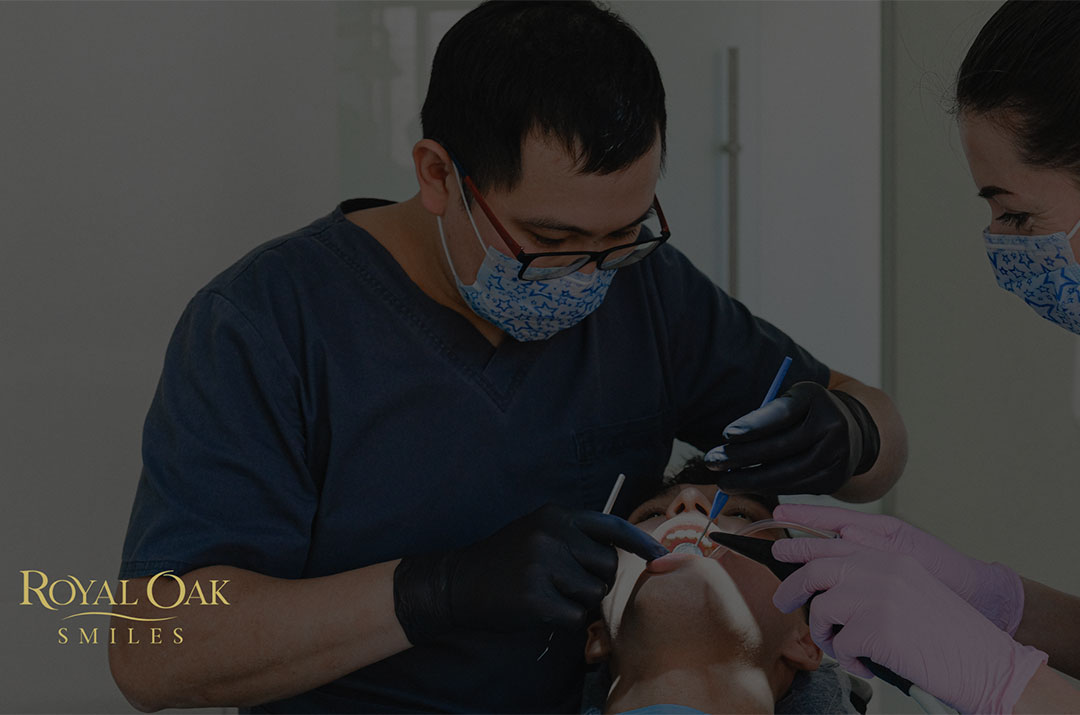
Just undergone a dental procedure can be nerve-wracking, but proper preparation can ease the process. From communicating with your dentist to organizing post-operative care, this guide will help you get ready for your upcoming dental visit.
Understanding Your Dental Procedure
Before undergoing any dental procedure, it’s important to have a clear understanding of what to expect. Knowledge of the procedure can reduce anxiety and fear. This chapter will provide you with insights into different types of dental procedures and the factors that can affect your preparation for them.
Types of Dental Procedures: What to Expect
To prepare for your dental procedure, it’s imperative to educate yourself on the specific type of treatment you will be receiving. Here is a breakdown of common dental procedures and what to expect during each:
| Procedure | What to Expect |
|---|---|
| 1. Routine cleaning | A thorough cleaning of your teeth and gums to remove plaque and tartar buildup. |
| 2. Fillings | The process involves removing decayed tooth material and then filling the cavity with dental material. |
| 3. Root Canal | The process involves removing the infected pulp from the tooth’s root canal and sealing it to prevent further infection. |
| 4. Tooth Extraction | We remove a tooth that is beyond repair. |
| 5. Dental Implants | The jawbone receives a metal post to support a replacement tooth. |
This information will give you a general idea of what to expect during your dental procedure. Always consult your dentist for specific details regarding your treatment plan.
Factors Affecting Your Preparation
Your overall health is one factor that can influence your preparation for a dental procedure. Certain medical conditions or medications may require special considerations before undergoing treatment. Additionally, your dentist may recommend modifying your diet or medication schedule leading up to the procedure.
- Be sure to tell your dentist about your health and medications.
- Follow any pre-procedure instructions provided by your dental team.
This will help ensure that your dental procedure goes smoothly and reduces the risk of any complications.
Procedures
To further prepare for your dental procedure, it’s important to discuss any concerns or questions you may have with your dentist. They can provide you with detailed information about the steps involved, the expected outcome, and any potential risks associated with the procedure.
By understanding your dental procedure and the factors that can affect your preparation, you will be better equipped to take the necessary steps to ensure a successful treatment outcome. Note: Maintaining open communication with your dental team and following their recommendations is critical to a smooth dental experience.
Pre-Procedure Tips and Reminders
Even though a dental procedure can feel routine, it’s vital to prepare adequately to ensure everything goes smoothly. Here are some tips and reminders to help you get ready:
Scheduling and planning ahead
Any dental procedure requires some planning and preparation. Make sure to schedule your appointment at a time when you can rest and recover afterward. It’s best to avoid any strenuous activities immediately following the procedure. Plan your transportation to and from the dental office if the procedure involves sedation.
After scheduling your appointment, follow any specific instructions given by your dentist regarding medications or eating and drinking before the procedure. Having a clear plan in place will help reduce stress on the day of your appointment.
Medication and Supplement Considerations
Your current medications and supplements are one important factor to consider before a dental procedure. Make sure to inform your dentist about all the medications you are taking, including over-the-counter drugs and supplements. Certain medications may interact with anesthesia or affect your recovery, so your dentist may need to adjust your treatment plan accordingly.
Supplements like vitamin E or fish oil, which can thin the blood and increase the risk of bleeding during certain procedures, should also be considered. Your dentist may advise you to stop taking these supplements a few days before your appointment to reduce any potential complications.
Fasting and hydration guidelines
Even though you may feel tempted to have a big meal before your dental procedure, it’s crucial to follow any fasting guidelines provided by your dentist. Fasting before certain procedures, especially those requiring sedation, helps reduce the risk of complications such as aspiration. Remember to avoid eating or drinking anything for the specified amount of time before your appointment.
Even though fasting is important, staying hydrated is equally vital for your overall well-being. Make sure to drink plenty of water leading up to your appointment unless instructed otherwise by your dentist. Proper hydration can help with your recovery and reduce the chances of feeling lightheaded or dizzy during the procedure.
Drink clear liquids such as water, herbal tea, or electrolyte drinks to supplement your hydration. Avoid caffeine and sugary beverages, as they can interfere with the sedation process and affect your body’s response to anesthesia.
Preparing Your Body and Mind
Getting enough rest and relaxation
With any upcoming dental procedure, it is important to prioritize rest and relaxation. Make sure you get a decent night’s sleep before the appointment to allow your body to be well-rested and ready for the treatment. Taking time to relax and unwind can help reduce any stress or anxiety you may be feeling about the procedure.
Managing Anxiety and Fear
Some level of anxiety or fear before a dental procedure is normal. To manage these feelings, try deep breathing exercises, visualization techniques, or listening to calming music. Talk to your dentist about your concerns; they can reassure you and discuss sedation options.
To make your dental visit more comfortable, consider asking about sedation options such as nitrous oxide or anti-anxiety medications. These can help you relax during the procedure and make the experience more pleasant.
Nutrition and Hydration for Optimal Health
There’s a direct connection between your overall health and your dental health. A well-balanced diet and proper hydration not only support your body’s immune system but also contribute to strong teeth and gums. Before your dental procedure, make sure you are eating a nutritious diet and drinking plenty of water to keep your body in optimal condition.
Optimal nutrition and hydration can also help with the healing process after the procedure. Eating foods rich in vitamins and minerals can aid in tissue repair and reduce the risk of infection. Stay hydrated to promote saliva production, which is important for maintaining oral health.
How to Prepare Your Home and Support System
Many aspects of preparing for a dental procedure go beyond just the appointment itself. It’s important to consider how you’ll manage your home and support system to ensure a smooth recovery process.
Arranging for Transportation and Accompaniment
If you will be sedated or under anesthesia, you may need a driver for your dental procedure. Additionally, having a friend or family member accompany you to the appointment can provide emotional support and help you feel more at ease before and after the procedure.
Stocking Up on Comfort Items and Supplies
Even simple dental procedures can leave you feeling uncomfortable in the days following. It’s a good idea to stock up on soft foods, pain relief medications recommended by your dentist, and any other comfort items that can help you feel more at ease during your recovery.
Understanding that having these items readily available can make your recovery process smoother and more comfortable. By preparing in advance, you can focus on resting and healing without the added stress of needing to run errands or search for supplies.
Informing Family and Friends
Family and friends can provide valuable support during your recovery from a dental procedure. Let them know about your appointment, recovery time, and any needs to ensure you get the support you need.
Another benefit of informing your loved ones is that they can help you with tasks around the house, provide emotional support, or simply keep you company during your recovery. Don’t hesitate to reach out and let them know how they can help you during this time.
Important Factors to Discuss with Your Dentist
Keep in mind that open communication with your dentist is crucial before undergoing any dental procedure. Here are some important factors that you should discuss with your dentist to ensure a safe and successful treatment:
Medical History and Allergies
The first thing you should discuss with your dentist is your medical history, including any pre-existing conditions or past surgeries. This information is critical for your dentist to understand your overall health and tailor a treatment plan accordingly. Additionally, make sure to inform your dentist about any allergies you may have, especially to medications, latex, or other dental materials. This will help prevent any adverse reactions during the procedure.
Current Medications and Supplements
The history of medications and supplements you currently take can have a significant impact on your dental treatment. Certain medications can interfere with anesthesia or affect your blood clotting, so it’s crucial to provide a complete list to your dentist. This includes prescription medications, over-the-counter drugs, vitamins, and herbal supplements. Based on this information, your dentist may need to adjust your treatment plan to ensure your safety and well-being during the procedure.
Any Concerns or Questions You May Have
Please feel free to voice any concerns or questions you may have about the dental procedure. It’s imperative that you address any fears or uncertainties with your dentist to alleviate any anxiety you may be feeling. Your dentist can explain the steps of the procedure, possible side effects, and aftercare instructions to help you feel more comfortable and confident about the treatment.
For instance, if you are worried about pain management during the procedure, discuss this with your dentist. They can explore options such as local anesthesia, sedation, or other pain relief methods to ensure you have a comfortable experience.
The Day Before and Morning Of Your Procedure
Last-Minute Preparations and Checklists
Despite feeling a mix of emotions the day before your dental procedure, it’s imperative to ensure everything is in order for a smooth experience. Take care of any last-minute preparations and checklists to minimize stress and prevent any oversights. Double-check your appointment time, any pre-procedure instructions provided by your dentist, and confirmation of transportation arrangements to and from the dental office.
What to Wear and What to Bring
Wear comfortable clothing that allows for easy movement, and avoid wearing any jewelry or accessories that may interfere with the procedure. Ensure you bring your ID, insurance card, a list of current medications, and any paperwork or forms your dentist may have requested you to fill out. Additionally, bring headphones and your favorite music or audiobook to help you relax during the wait and procedure.
Understanding what to wear and bring can contribute significantly to your comfort and preparedness for the dental procedure. By following these guidelines, you can help create a more relaxed and organized environment for yourself at the dental office.
The timing and arrival at the dental office are crucial.
Last-minute rushing can increase stress levels, so make sure you plan your timing and arrival at the dental office wisely. Aim to arrive at least 15-30 minutes before your scheduled appointment time to complete any necessary paperwork and allow yourself time to relax before the procedure. This buffer time can also account for any unexpected traffic or delays along the way.
Your punctuality and preparedness contribute to a smoother experience for both you and the dental team. By arriving early, you demonstrate respect for everyone’s time and show that you are committed to taking care of your oral health.
Conclusion
From above, it is evident that preparing for a dental procedure can help you feel more comfortable and confident during the process. By following the tips provided, such as discussing any concerns with your dentist, understanding the procedure, and following pre-operative instructions, you can ensure a smoother and more successful dental experience. Remember that the key to a successful dental procedure is proper preparation and communication with your dental team.
So, the next time you have a dental appointment coming up, take the time to prepare yourself mentally and physically for the procedure. Your diligence in following these preparatory steps will not only contribute to a successful outcome but also help alleviate any anxiety or fears you may have about the dental treatment.