
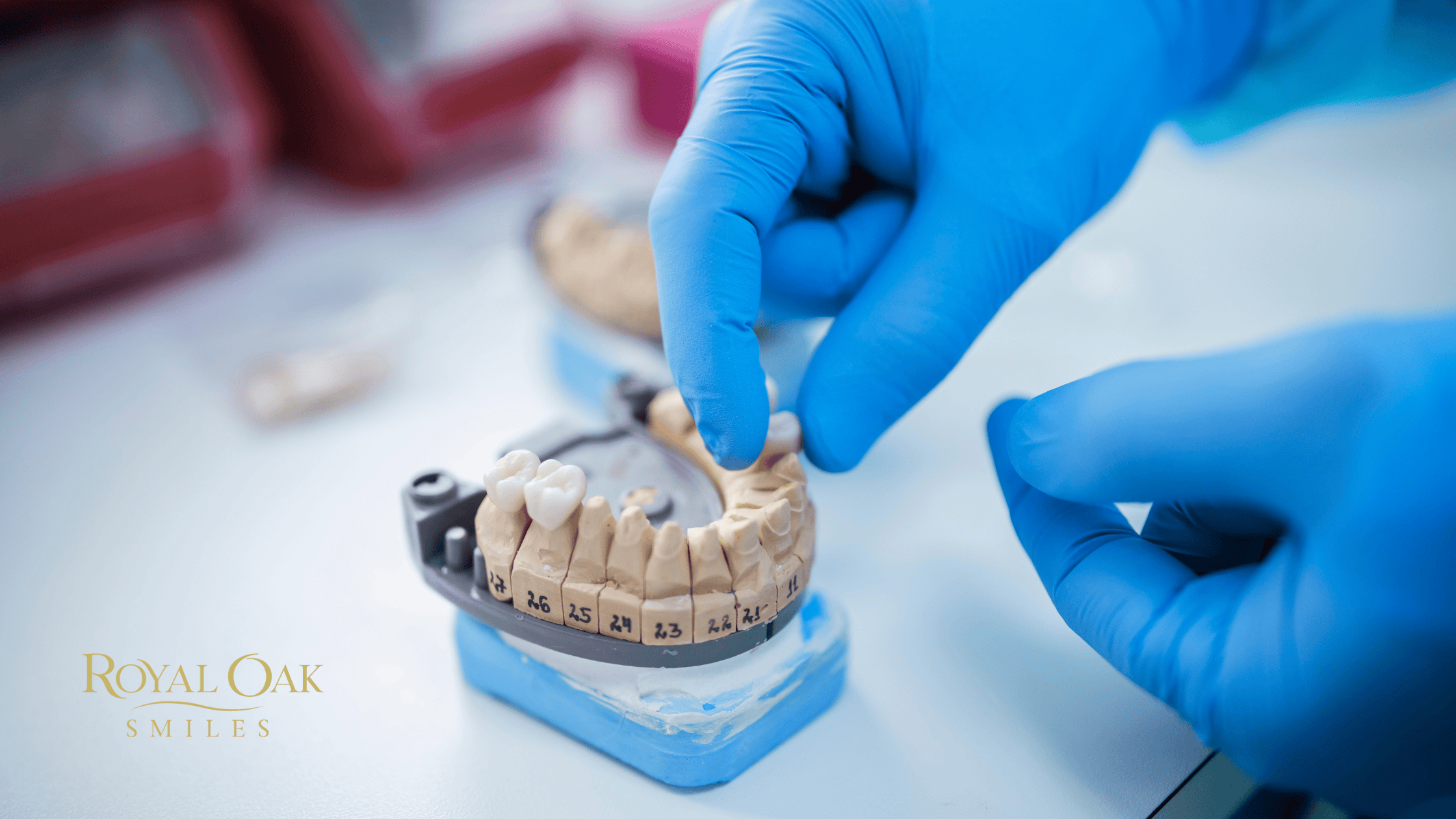
Delay in replacing a lost tooth can lead to significant oral health issues that may affect not only your smile but also your overall well-being. As time passes, adjacent teeth may shift into the gap, leading to complications such as misalignment and bite problems.
Furthermore, bone loss in the jaw can occur, which may require more extensive treatments later on. By addressing the issue promptly, you can prevent these negative outcomes and maintain your oral health effectively.
Prioritize your dental care to ensure a healthier and more confident you.
Key Takeaways:
- Delaying tooth replacement can lead to the shifting of surrounding teeth, potentially causing misalignment and bite issues.
- Absence of a tooth can result in bone loss in the jaw, which may complicate future dental procedures and impact overall facial structure.
- Missing teeth can affect your ability to chew and speak properly, leading to difficulties with daily functions and overall quality of life.
Understanding Tooth Loss
A lost tooth can significantly affect your dental health and overall well-being. Injury, decay, or gum disease can cause it, and delaying replacement can lead to more issues.
Early intervention is crucial to mitigate the consequences and maintain your oral function.
“Addressing tooth loss early prevents long-term complications like bone deterioration and preserves the alignment of your teeth, making future treatments less invasive and more predictable.” – Dr. Muhammad Hamdan
Causes of Tooth Loss
An array of factors can lead to tooth loss, including poor oral hygiene, chronic illnesses, and lifestyle choices such as smoking. Injuries from accidents or sports can also result in sudden tooth loss.
Understanding these factors is vital for preventing future incidents and preserving your dental health.
Impact on Oral Health
Before addressing the consequences of delaying a tooth replacement, it’s important to recognize how tooth loss affects your oral health. Missing teeth can lead to shifts in your bite, causing additional pressure on remaining teeth, which may result in further loss or discomfort.
Indeed, the absence of a tooth can lead to detrimental changes in your mouth. You risk tooth shifting and misalignment, and your remaining teeth may wear more.
Moreover, bone loss in the jaw area can occur because the jawbone lacks stimulation from the missing tooth, leading to gradual deterioration. Prompt action to replace lost teeth can help you maintain a healthier smile and improve your overall oral health.
Consequences of Delaying Replacement
It is vital to understand that delaying the replacement of a lost tooth can lead to significant dental issues. Without addressing the gap, you may face problems such as misalignment of your teeth, increased risk of decay, and complications in your bite.
The longer you wait to replace the tooth, the more complex and costly the solution may become.
Shifting of Adjacent Teeth
To postpone replacing your lost tooth can result in the shifting of adjacent teeth. They may start to move into the space left behind, which can lead to misalignment and crookedness over time.
This shift can ultimately affect your bite and complicate any future dental interventions you might need.
“When teeth shift into the space of a missing tooth, this realignment can strain your jaw and increase the risk of grinding, which may accelerate wear on your remaining teeth.” – Dr. Muhammad Hamdan
Bone Loss and Its Effects
Around the area of a missing tooth, you may experience significant bone loss. This is because the jawbone relies on the stimulation from your teeth to maintain its density.
Without a tooth, the bone can begin to deteriorate, leading to a weakened jaw structure and possible changes in your facial appearance.
Considering that bone loss can occur as soon as six months after losing a tooth, it is crucial to act swiftly.
“By replacing a missing tooth within the first few months, you can stimulate the jawbone and minimize the risk of resorption, maintaining both your facial structure and oral function.” – Dr. Muhammad Hamdan
This bone loss affects your overall oral health, compromising not just your smile but also the structural integrity of your jaw.
Furthermore, the repercussions may extend beyond aesthetics, influencing your ability to chew effectively and increasing the chances of further tooth loss. So, replacing your lost tooth is vital to keeping your teeth aligned and your jawbone strong.
Types of Tooth Replacement Options
The loss of a natural tooth can lead to a variety of challenges, but fortunately, there are several options available to replace it:
- Dental Implants
- Bridges
- Dentures
- Partial Dentures
- Resin-Bonded Bridges
The right choice for you depends on factors like your dental health, budget, and personal preference.
| Dental Implants | Permanent solution mimics natural teeth |
| Bridges | Fixed restoration helps maintain face shape |
| Dentures | Removable and affordable option |
| Partial Dentures | Address gaps without affecting remaining teeth |
| Resin-Bonded Bridges | Less invasive, adheres to adjacent teeth |
Dental Implants
Before you decide on your treatment, understand that dental implants provide a permanent solution for missing teeth. They involve a surgical procedure where a titanium post is inserted into your jawbone, acting as a root for a replacement tooth.
This option not only maintains your jawbone health by stimulating its growth but also closely mimics the look and function of natural teeth. Ensuring proper care and regular dental check-ups can extend the lifespan of your implants.
Bridges and Dentures
Any replacement solution, like bridges and dentures, caters to different needs. Bridges typically span the gap created by missing teeth and are anchored by crowns on adjacent teeth.
On the other hand, dentures are removable appliances that replace multiple missing teeth, suitable for those who might have lost several or all their natural teeth.
Bridges are beneficial as they generally involve less surgical intervention compared to implants, although they do require reshaping adjacent teeth to support the bridge. However, it’s necessary to take care of your remaining teeth to prevent complications.
While dentures offer a more affordable option, they might require adjustments over time as they can wear down or become less fitting. Both options can significantly improve your smile and chewing ability, making routine dental appointments necessary for maintaining their condition.
The Importance of Timely Replacement
For maintaining your oral health, replacing a lost tooth promptly is crucial. Delaying the replacement can lead to serious issues, including shifting of surrounding teeth, bone loss, and impaired function.
Acting quickly ensures that your smile remains intact and that your ability to chew and speak is not compromised. Addressing the gap sooner rather than later will also preserve the alignment of your bite, making future dental work less complicated and potentially saving you money in the long run.
Preventing Further Complications
At the core of preventing additional oral health issues is the timely replacement of missing teeth. When a tooth is lost and not replaced, neighboring teeth may tilt or shift into the gap, which can lead to misalignment and increased wear.
Furthermore, the underlying bone may begin to deteriorate without the stimulation provided by the tooth root, potentially resulting in a more complex dental scenario in the future.
Enhancing Aesthetic and Functional Outcomes
Across all aspects of dental health, addressing a lost tooth efficiently improves both aesthetic and functional outcomes. Not only does a replacement restore your smile, but it also reinstates your ability to chew effectively and speak clearly.
The positive effects on your confidence and self-esteem are significant, allowing you to engage socially without the worry of gaps in your smile.
Outcomes of timely tooth replacement directly affect your overall health and well-being. By filling the gap, you enhance your smile and restore proper chewing function.
This process can lead to better nutrition, as you can consume a wider variety of foods without discomfort. Additionally, the psychological benefits of a complete set of teeth can enhance your social interactions and self-confidence, creating a positive feedback loop that contributes to your mental health. Investing in your smile today not only improves your appearance but also helps you avoid more serious and costly dental issues down the line.
Emotional and Psychological Effects
Many people underestimate the emotional toll that losing a tooth can have. The absence of a tooth can lead to feelings of embarrassment or self-consciousness, affecting your overall happiness.
Over time, these feelings can contribute to increased anxiety or depression, impacting your quality of life and well-being. It’s vital to address these emotions rather than let them build up, as they can significantly hinder your social interactions and personal relationships.
Impact on Self-Esteem
Along with physical changes, losing a tooth can directly impact your self-esteem. You may find yourself feeling less confident in social situations, hesitant to smile or engage with others.
This shift in self-perception can create a cycle where low self-esteem exacerbates your emotional distress, making it even more challenging to seek solutions.
Social and Interpersonal Challenges
With a lost tooth, you may face various social and interpersonal challenges that complicate your daily interactions. Friends or acquaintances may notice your discomfort, leading to awkwardness in conversations and more isolating experiences.
You might avoid social gatherings altogether, which can strain relationships and contribute to feelings of loneliness.
The impact on social interactions can be profound when a lost tooth is not replaced. Your smile is one of the first things people notice, and without it, you may seem unapproachable.
You might worry that others are scrutinizing your appearance, which can foster self-doubt. Such anxiety can reach a point where you consciously limit your social engagements, missing out on fun experiences and opportunities to connect with loved ones.
As you delay seeking help for your missing tooth, it’s vital to understand how these challenges can affect both your personal and professional relationships.
Seeking Professional Advice
Once again, it’s necessary to seek professional advice when dealing with a lost tooth. A dental professional can evaluate your specific situation, provide tailored recommendations, and help you understand the potential consequences of delaying treatment.
Their expertise will guide you toward the best options available, ensuring that your oral health remains a priority while addressing aesthetic concerns and functionality.
When to Consult a Dentist
When you consult a dentist, you should schedule an appointment as soon as you realize a tooth is missing. Early intervention is key in preventing additional complications, such as shifting teeth, bite issues, or more extensive dental problems.
Your dentist will help you explore potential solutions to best restore your smile.
Evaluating Replacement Options
If you are evaluating replacement options, you will find several choices available to replace your lost tooth. Your dentist can present alternatives like dental implants, bridges, or dentures.
Assessing the pros and cons of each option helps you make an informed decision based on your needs, budget, and oral health.
Consult your dentist to determine the best replacement option for you. Dental implants are permanently anchored into the jawbone, providing strong support and a natural appearance.
Bridges can efficiently fill in the gap by using adjoining teeth as anchors, but they may increase wear on the adjacent teeth. Dentures offer a removable solution but may require more maintenance over time.
Make sure to discuss your specific requirements and preferences with your dental professional to achieve optimal results.
Conclusion
Delaying the replacement of a lost tooth can lead to various complications affecting your overall oral health. Missing teeth can cause neighboring teeth to shift, alter your bite, and potentially lead to jawbone loss.
Additionally, you may experience difficulties in chewing and speech, which can affect your confidence. Taking timely action to replace a lost tooth restores your smile and prevents further dental issues, ensuring you maintain optimal oral health in the long run.
Delaying tooth replacement can lead to serious oral health issues over time. Protect your smile, your bite, and your confidence by seeking timely care. If you’ve lost a tooth or have questions about your replacement options, the team at Royal Oak Smiles is here to help. Contact us today to schedule your consultation and take the first step toward a healthier, stronger smile.
Reviewed by: Dr. Muhammad Hamdan