
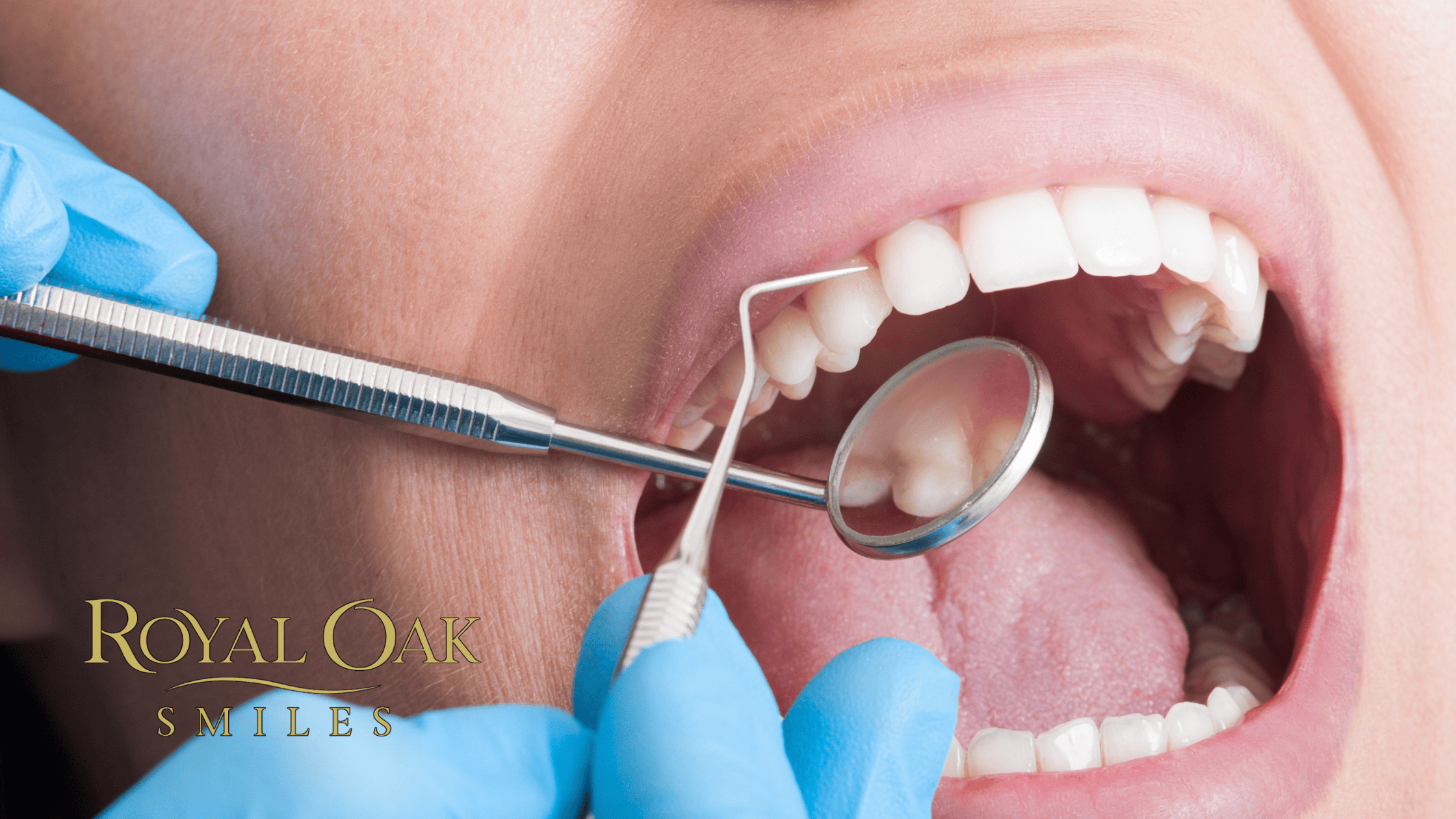
White spots on teeth can be a source of frustration and concern for many people. Whether you’ve noticed them yourself or your child has developed them, understanding their causes and solutions is essential.
This article will walk you through what white spots are, why they appear, and what you can do to address them effectively.
What Are White Spots on Teeth?
White spots are areas of discoloration that stand out from the rest of your tooth’s natural enamel color. They often indicate a loss of minerals in the enamel, a condition known as demineralization.
While they might seem minor, white spots sometimes signal deeper dental health issues.
What Causes White Spots on Teeth?
There are several reasons why white spots appear on teeth.
Common causes include:
- Poor Oral Hygiene: Inadequate brushing and flossing, especially during orthodontic treatments like braces, can lead to plaque buildup, causing demineralization.
- Excessive Fluoride: Overexposure to fluoride during childhood can result in fluorosis, which creates white or chalky spots on the teeth.
- Dietary Habits: Consuming too many acidic or sugary foods and drinks can weaken enamel over time.
- Enamel Hypoplasia: This is a developmental defect where enamel does not form properly, leaving white spots as a result.
- Demineralization: Frequently linked to poor oral hygiene or diet, this process strips minerals from your teeth, making them weaker and more prone to white spots.
How to Deal with White Spots on Teeth
Fortunately, there are multiple ways to address white spots. Here are some professional and at-home solutions:
Professional Treatments
- Fluoride Treatments
Dentists can apply topical fluoride to help remineralize affected areas and strengthen enamel. - Microabrasion
This procedure gently removes a thin layer of enamel to improve the tooth’s appearance. - Teeth Whitening
Professional whitening can even out the color of your teeth, making white spots less noticeable. - Dental Veneers or Bonding
For severe cases, dentists may recommend veneers or bonding to cover white spots and restore a uniform appearance.
At-Home Remedies
- Remineralizing Toothpaste: Look for toothpaste containing fluoride or hydroxyapatite to rebuild enamel and reduce white spots.
- Limit Sugary and Acidic Foods: A diet low in sugar and acid protects enamel and prevents further demineralization.
- Oil Pulling: Swishing coconut oil in your mouth may improve oral hygiene and reduce bacteria, but this should not replace brushing or flossing.
Why Addressing White Spots Matters
Ignoring white spots can lead to more significant dental issues. Demineralized areas are more prone to cavities, and untreated enamel defects may worsen over time.
White spots on teeth may appear innocent; nonetheless, they might signify underlying problems such as enamel deterioration, inadequate dental hygiene, or excessive fluoride exposure. If not addressed, they may result in more severe issues, such as dental caries or pigmentation changes.
Treating white spots enhances the aesthetic of your smile and fosters enduring dental health, guaranteeing the strength and beauty of your teeth throughout time.
Final Words
White spots on teeth might seem small, but they can have a big impact on your confidence and dental health. The good news is that solutions are readily available, from professional treatments to simple lifestyle changes.
White spots on teeth can be a source of concern, but understanding their causes and exploring effective solutions can help restore your confidence in your smile. Whether they’re caused by enamel hypoplasia, fluorosis, or poor oral hygiene, addressing white spots early is key to maintaining healthy teeth.
From professional treatments like teeth whitening and microabrasion to preventive measures, there’s always a path to improvement.
If you’re noticing white spots on your teeth or have questions about the best treatment options, the experts at Royal Oak Smiles are here to help. Schedule an appointment today, and let us guide you toward a healthier, more radiant smile!