
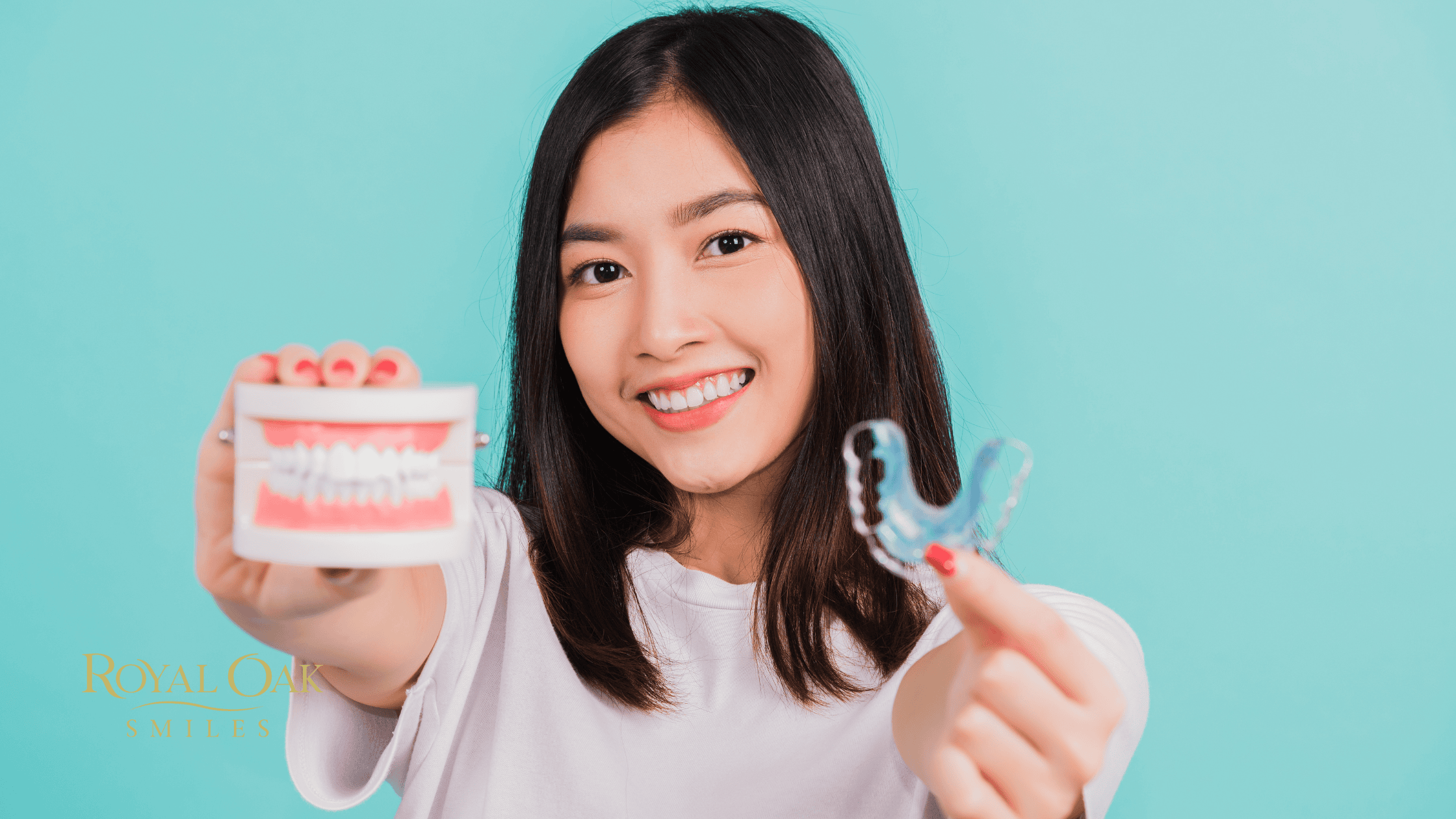
Cavities can develop when dental hygiene is compromised. Improper use of retainers can also contribute to this issue. If you do not clean your retainer regularly or fail to maintain good oral hygiene, food particles and bacteria can accumulate, leading to decay.
Understanding how your retainer habits affect oral health is crucial for preventing cavities. In this post, you will learn how to effectively care for your retainer and safeguard your teeth against potential problems.
key takeaways
- Retainers that are not cleaned properly can trap food and bacteria, increasing cavity risk.
- Improper retainer use encourages plaque buildup and tooth decay.
- A consistent cleaning routine and proper usage help prevent oral health problems, including cavities.
The Mechanics of Retainers and Dental Hygiene
Retainers are essential for preserving tooth alignment following orthodontic treatment, but they can also harbor bacteria if they’re not cared for properly. The oral cavity is home to various bacteria, and any surface that comes into contact with your mouth can potentially trap food particles and plaque.
Regular maintenance of your retainers is important to prevent harmful bacterial growth that could lead to cavities or other oral health issues.
“Your retainer isn’t just aligning your teeth—it’s also coming into direct contact with bacteria every day. Without proper cleaning, it can become a hotspot for oral health issues like cavities and gum irritation.” — Dr. Muhammad Hamdan, Dentist in Calgary, AB
The Impact of Retainer Material on Oral Health
While both plastic and metal retainers are effective at maintaining alignment, plastic options—particularly clear retainers—can accumulate plaque more easily if not cleaned properly. Metal retainers, typically bonded or wire-based, are smoother and less prone to visible buildup.
Regardless of material, thorough daily cleaning is essential to minimize bacteria and maintain oral health.
Missteps in Retainer Care: A Recipe for Cavities
Your retainer is designed to maintain your teeth in their new positions after orthodontic treatment. However, improper care can lead to more than just shifting teeth.
Failing to clean your retainer regularly allows bacteria and plaque to accumulate, which may increase your risk of cavities and gum irritation.
Food particles left on the retainer can promote bacterial growth, contributing to tooth decay over time. To truly protect your smile, it’s essential to follow recommended hygiene practices for both your teeth and your retainer.
Common Retainer-Wearing Mistakes
Many people make simple mistakes when it comes to wearing their retainers. One of the most common errors is failing to wear your retainer for the recommended duration, which can lead to shifting teeth.
Also, storing your retainer in a non-ventilated environment can trap moisture, promoting bacterial growth. Additionally, skipping daily cleanings and using inappropriate cleaning agents can cause damage not only to your retainer but also to your dental health.
The Role of Maintenance and Cleaning
Regular maintenance and cleaning are vital for the health of both your retainer and your teeth. A diligent cleaning routine involves rinsing your retainer daily to remove food particles and bacteria.
Brush your retainer gently using a soft toothbrush and mild, non-abrasive soap or a retainer-specific cleanser. Avoid using toothpaste, as it may scratch the material.
Neglecting this routine can result in plaque accumulation, which may eventually cause cavities. Investing the time in proper care ensures your retainer supports your oral health effectively.
“Daily cleaning of your retainer is as essential as brushing your teeth. Think of it as an extension of your oral hygiene routine; skipping it could undo the benefits of your orthodontic treatment.” — Dr. Muhammad Hamdan, Dentist in Calgary, AB
The Consequences of Neglect: Cavities and Beyond
Failing to maintain proper oral hygiene while wearing retainers can lead to not just cavities but other serious dental issues. Bacteria thrive in the warm, moist environment of your mouth, particularly when food remnants remain trapped in or around your retainer.
Neglect can lead to plaque buildup and, in severe cases, infections or tooth loss.
Signs of Tooth Decay While Using Retainers
Spotting the signs of tooth decay early is vital, especially while using retainers. You may experience increased sensitivity to hot or cold foods, persistent bad breath, or visible discoloration on your teeth.
In some cases, you might even notice pits or holes in the enamel. Monitoring these symptoms can assist you in taking action before the situation deteriorates.
Potential Long-Term Effects on Dental Health
Neglecting dental hygiene while wearing retainers can have lasting consequences for your oral health. Poor care increases the risk of plaque buildup and bacterial growth, which may lead to chronic tooth decay.
“Wearing retainers without consistent hygiene is like leaving the tires on your car unmaintained—it eventually compromises performance and safety. Proper care is the key to good results and healthy teeth.” — Dr. Muhammad Hamdan, Dentist in Calgary, AB
Left untreated, these conditions can result in more extensive dental procedures such as fillings, crowns, or even root canals.
In addition, persistent gum disease can lead to bone loss in the jaw, compromising the alignment and stability of your teeth. This not only affects your dental function and appearance but can also necessitate invasive treatments to restore oral health.
The long-term consequences go beyond pain and expense—they can significantly diminish your overall quality of life. Research has shown strong links between poor oral health and systemic conditions such as heart disease and diabetes.
That’s why maintaining good oral hygiene while wearing retainers is essential—not only for your dental health but also for preserving your smile’s aesthetics and supporting overall well-being. Even a single skipped brushing or missed dental visit can contribute to escalating issues, making diligent daily care and routine check-ups critical to safeguarding your long-term oral health.
Best Practices for Safe Retainer Use
To ensure your retainers remain effective and safe, following best practices is key. Always handle your retainers with clean hands and store them in a protective case when not in use to prevent damage or contamination.
Be mindful of the foods and drinks you consume while wearing them, as sticky or sugary substances can contribute to cavities. Consistent care routines and regular dental visits will help maintain both your retainers and your oral health.
Daily Care and Cleaning Routines
Your daily care routine for retainers involves rinsing them with water after each use and gently brushing them using a soft toothbrush without toothpaste. This prevents plaque buildup and keeps them clear of bacteria.
Occasionally, soaking your retainers in a mixture of equal parts water and vinegar or a specialized retainer cleaner can help maintain freshness and hygiene.
Regular Dental Check-ups and Monitoring
Regular dental check-ups are essential for monitoring your oral health, especially when wearing retainers. Your dentist can spot early signs of cavities or problems caused by a poorly fitting or improperly cleaned retainer during routine exams.
These visits also allow your dentist to check the fit of your retainers, ensuring they function properly without damaging your teeth or gums.
During your appointments, it’s helpful to mention any discomfort or changes you’ve noticed while wearing your retainers. While dentists generally recommend check-ups every six months, don’t hesitate to book an earlier visit if you experience any issues.
Your dentist can also provide personalized guidance on oral hygiene and retainer care, helping you avoid cavities and other complications.
Perspectives from Dental Professionals
Expert Opinions on Retainer Impact on Cavities
Dental professionals emphasize that improper retainer use can significantly increase the risk of cavities. The risk of cavities can be considerably increased by using retainers improperly, according to dental professionals.
If you neglect your oral hygiene, it’s not just the retainer itself that poses a risk—your teeth are directly affected.
Recommendations for Retainer Users
To minimize cavity risk, prioritize oral hygiene by brushing and flossing before and after retainer use. Rinse your retainer with lukewarm water after each use to prevent bacterial buildup and remove saliva and debris.
Additionally, scheduling regular dental check-ups ensures that any potential issues are identified early.
Adopting these recommendations can make a significant difference in your oral health. Brush your teeth twice a day with fluoride toothpaste and floss at least once daily to remove plaque build-up.
When you’re not wearing your retainer, consider soaking it in a cleaning solution recommended by your dentist, which can help maintain its integrity and cleanliness. Ultimately, prioritizing dental hygiene while using retainers can effectively prevent cavities and other dental issues.
Final Words
Wearing your retainer improperly increases the risk of cavities due to plaque and food particle buildup. Maintaining a proper cleaning routine is essential for preserving both your oral health and your orthodontic results.
You should always follow your dentist’s instructions regarding retainer care and wear. By doing so, you can avoid unnecessary complications and keep your smile bright and healthy.
Protect Your Smile—Schedule a Retainer Check-Up Today
Improper retainer use can lead to cavities, discomfort, and long-term oral health issues. At Royal Oak Smiles in Calgary, our dental team can ensure your retainer fits properly and help you maintain excellent hygiene while wearing it.
Visit us at 500 Royal Oak Dr NW #112 or contact us today to book your appointment and keep your smile cavity-free!
Reviewed by: Dr. Muhammad Hamdan